Keto Rules Basics Simple Guide for Begin extractners
Keto Rules & Basics: A Simple Guide for Begin extractners is your essential starting point for unlocking the transformative power of the ketogenic lifestyle. Have you been hearing the buzz about keto – the incredible energy boosts, the sustainable weight loss, and the newfound clarity people are experiencing? If you’re curious but feel overwhelmed by the seemingly complex rules, you’re not alone. That’s precisely why we’ve crafted this guide to demystify Keto Rules & Basics, making it accessible and achievable for everyone. We understand that starting something new can feel daunting, but our aim is to equip you with the foundational knowledge to embrace this way of eating with confidence and deliciousness. Prepare to discover a world of satisfying meals and a renewed sense of well-being as we break down the core principles of keto in a way that’s easy to digest and even easier to implement.

Keto Rules & Basics: A Simple Guide for Begin extractners
Embarking on the ketogenic diet can feel a bit daunting at first. The idea of drastically changin extractg your eating habits, especially with a focus on fats, can spark a lot of questions. But at its core, the keto diet is about shifting your body’s primary fuel source from carbohydrates to fat. This metabolic state, known as ketosis, can unlock some exciting benefits. Let’s break down the essentials and then dive into some delicious keto-friendly recipes to get you started.
The fundamental rule of keto is to significantly reduce your carbohydrate intake. This typically means aiming for 20-50 grams of net carbohydrates per day. Net carbs are calculated by subtracting fiber from total carbohydrates. By limiting carbs, you encourage your body to tap into stored fat for energy.
What You Can Eat (and What to Avoid)
The good news is that keto isn’t about deprivation; it’s about smart choices. You’ll be focusing on:
You’ll need to drastically limit or avoid:
Getting Started: Your First Keto Recipes
To make the transition smoother and tastier, here are some foundational keto recipes that are surprisingly simple to prepare and incredibly satisfying. These will become staples in your keto kitchen!
Ingredients:
Cooking Instructions
Here’s how to whip up these keto essentials:
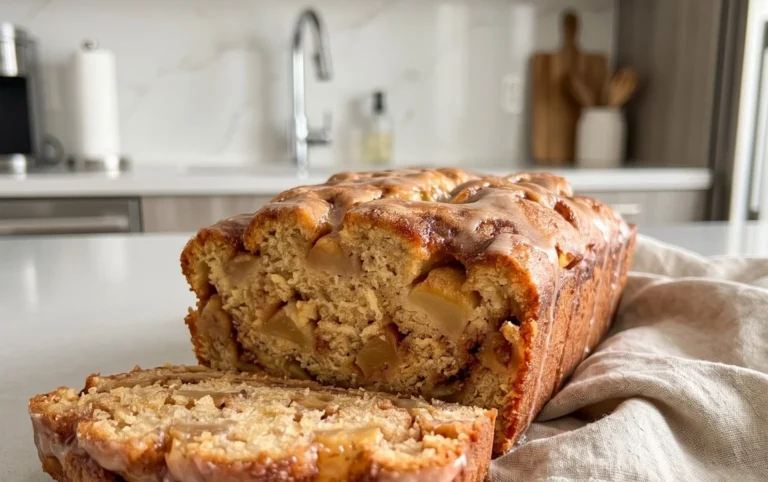
1. Crafting Your Keto Bread: Preheat your oven to 350°F (175°C). In a bowl, whisk together 1.5 cups of almond flour, 2 tablespoons of psyllium husk powder, 1 teaspoon of baking powder, and a pinch of salt. In a separate bowl, beat 3 large eggs and stir in 1/4 cup of melted butter or coconut oil. Gradually add the wet ingredients to the dry ingredients, mixing until a dough forms. Knead lightly for a minute or two, then shape into a loaf on a parchment-lined baking sheet. Bake for 40-50 minutes, or until golden brown and a skewer inserted into the center comes out clean. Let it cool completely before slicing. This bread is fantastic for sandwiches or toast!
2. Whipping Up Keto Oatmeal: Forget traditional oats; we’re going nutty! In a saucepan, combine 1/4 cup of chopped nuts, 2 tablespoons of chia seeds, and 1 tablespoon of flax seeds. Pour in 1 cup of unsweetened almond milk or coconut milk. Stir in 1/2 teaspoon of cinnamon. Bring to a gentle simmer over medium heat, stirring occasionally. Cook for 5-7 minutes until the mixture thickens to your desired consistency. Add a touch of keto-friendly sweetener if you prefer it sweeter. This is a hearty and filling breakfast that will keep you satisfied for hours.
3. Mastering Keto Pancakes: For a delightful breakfast treat, whisk together 1 cup of almond flour, 2 large eggs, 1/2 teaspoon of baking powder, and a splash of unsweetened almond milk (about 1-2 tablespoons) until you have a smooth batter. Heat a lightly greased skillet or griddle over medium heat. Pour about 1/4 cup of batter per pancake. Cook for 2-3 minutes per side, or until golden brown and cooked through. Serve with butter, sugar-free syrup, or fresh berries.
4. Preparing Keto Pasta & Crack Chicken: For keto pasta, simply rinse and drain your shirataki or zucchini noodles thoroughly. If using shirataki, you can briefly sauté them in a dry pan to remove excess water and improve texture. For Crack Chicken, a delicious and easy meal, preheat your oven or slow cooker. In a baking dish or slow cooker, combine 2 cups of cooked shredded chicken, 4 ounces of softened cream cheese, 1/2 cup of shredded cheddar cheese, 2 tablespoons of ranch seasoning mix, and 1/4 cup of beef bacon bits. Mix until well combined. Bake at 350°F (175°C) for 20-25 minutes, or cook on low in a slow cooker for 2-3 hours, until the cheese is melted and bubbly. Serve it on its own, with keto bread, or lettuce wraps.
5. Baking Keto Chocolate Cake and Cookies:
Enjoy experimenting with these foundational recipes! They prove that eating keto can be delicious, satisfying, and surprisingly simple.

Conclusion:
Embarking on your ketogenic journey can feel overwhelming, but this simple guide to Keto Rules & Basics is designed to make it accessible and enjoyable. We’ve covered the foundational principles to help you understand what the ketogenic diet is all about. By focusing on healthy fats, moderate protein, and very low carbohydrates, you can effectively kickstart your body’s fat-burning state. This approach isn’t about deprivation; it’s about discovering delicious and satisfying ways to fuel your body. Remember, consistency is key, and small, sustainable changes are more effective than drastic overhauls. Don’t be afraid to experiment and find what works best for your lifestyle and taste preferences. We encourage you to try out some simple keto recipes, perhaps starting with a basic fat bomb or a leafy green salad with a creamy avocado dressing, to begin extract experiencing the benefits firsthand.
The beauty of the keto diet lies in its versatility. Once you grasp the basics, you’ll find a world of culinary possibilities. Consider incorporating a variety of healthy fats like olive oil, coconut oil, avocados, and nuts into your meals. For serving suggestions, these principles can be applied to everyday meals. Enjoy a hearty keto breakfast with eggs and beef bacon, a satisfying lunch salad packed with chicken or fish, and a flavorful dinner featuring grilled meats or seafood with non-starchy vegetables. Variations are endless; explore different spice blends for your proteins, experiment with keto-friendly flours for baking, or try various keto dessert recipes to satisfy your sweet tooth guilt-free. This guide is your starting point, and we’re excited for you to discover the rewarding aspects of living a keto lifestyle!
Frequently Asked Questions:
What are the most common mistakes begin extractners make on keto?
Begin extractners often make the mistake of not tracking their carbohydrate intake accurately, leading to them consuming too many carbs unintentionally. Another common error is not consuming enough healthy fats, which can leave you feeling unsatisfied and hungry. It’s also important to stay hydrated and replenish electrolytes, as these can be depleted when first starting keto.
Can I still eat vegetables on a keto diet?
Absolutely! While you need to be mindful of carbohydrate counts, many delicious and nutritious vegetables are keto-friendly. Focus on non-starchy vegetables like leafy greens (spinach, knon-alcoholic ale, lettuce), broccoli, cauliflower, asparagus, zucchini, bell peppers, and avocados. These provide essential vitamins, minerals, and fiber without significantly impacting your carb intake.
How long does it take to enter ketosis?
The time it takes to enter ketosis can vary from person to person. Generally, it takes anywhere from 2 to 7 days of strictly adhering to a very low-carbohydrate, high-fat diet for your body to start producing ketones efficiently. Factors like your metabolism, activity level, and starting point can influence this timeline.
Keto Rules & Basics: A Simple Guide for Beginners
An introductory guide to the ketogenic diet, covering essential rules and basic principles with popular keto recipe examples.
Ingredients
-
Keto Bread ingredients (almond flour, eggs, butter)
-
Keto Oatmeal ingredients (shredded coconut, chia seeds, heavy cream)
-
Keto Pancakes ingredients (almond flour, eggs, cream cheese, baking powder)
-
Keto Pasta ingredients (zucchini, cauliflower, almond flour)
-
Keto Chocolate Cake ingredients (almond flour, cocoa powder, eggs, butter, sweetener)
-
Keto Chocolate Chip Cookies ingredients (almond flour, butter, sweetener, sugar-free chocolate chips)
-
Keto Crack Chicken ingredients (chicken thighs, cream cheese, bacon, shredded cheese)
Instructions
-
Step 1
Understand the core principle: Significantly reduce carbohydrate intake and replace it with fat, moderate protein. -
Step 2
Focus on whole, unprocessed foods. Include plenty of non-starchy vegetables, healthy fats like avocado and olive oil, and quality protein sources. -
Step 3
Learn to read nutrition labels, paying close attention to net carbs (total carbs minus fiber). -
Step 4
Explore beginner-friendly keto recipes to make the transition enjoyable, such as Keto Bread, Keto Oatmeal, and Keto Pancakes. -
Step 5
Incorporate versatile keto staples like Keto Pasta and satisfying mains like Keto Crack Chicken into your meal plan. -
Step 6
Enjoy keto-friendly desserts in moderation with recipes like Keto Chocolate Cake and Keto Chocolate Chip Cookies.
Important Information
Nutrition Facts (Per Serving)
It is important to consider this information as approximate and not to use it as definitive health advice.
Allergy Information
Please check ingredients for potential allergens and consult a health professional if in doubt.