Homemade Pâtes de Fruits Without Corn Syrup
Homemade pâtes de fruits, no corn syrup, are a delightful testament to the simple magic of fruit, sugar, and a bit of patience. Forget those uniformly smooth, unnaturally glossy candies from the store. When you craft your own pâtes de fruits at home, you unlock a vibrant world of natural flavors and satisfying textures that corn syrup simply can’t replicate. Imagin extracte biting into a jewel-like square, bursting with the pure, concentrated essence of your favorite summer berries or tropical fruits. The slight chew, the vibrant color, the intense fruitiness – it’s an experience that elevates snacking from ordinary to extraordinary. We love these delightful little morsels because they’re a sophisticated yet incredibly accessible treat, perfect for gifting or simply indulgin extractg your sweet tooth with something truly special. This recipe focuses on letting the natural goodness of the fruit shine, resulting in a superior, pure pâtes de fruits experience.
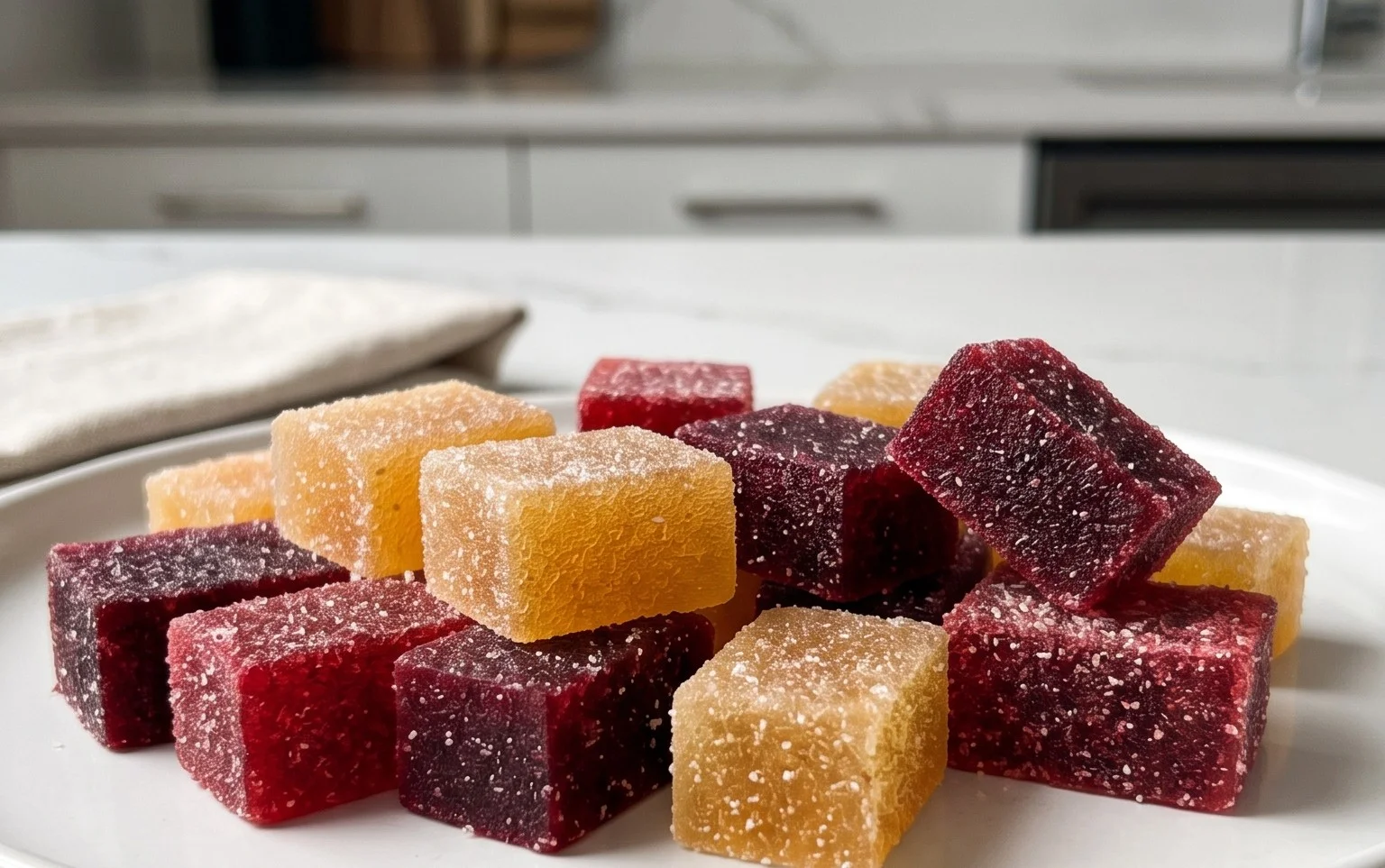
Homemade Pâtes de Fruits (No Corn Syrup)
There’s something incredibly satisfying about creating these jewel-like candies from scratch. Pâtes de fruits, those delightful little fruit jellies, are often found in artisanal candy shops, bursting with intense fruit flavor and a perfectly chewy texture. Traditionally, they can be made with a touch of corn syrup to ensure a smooth, consistent set, but I’ve found a way to achieve that beautiful result without it, using a simple ratio of fruit juice, sugar, pectin, and lemon. The key is to understand the role each ingredient plays and to be patient during the cooking process. This recipe yields intensely flavored, vibrantly colored treats that are far superior to anything mass-produced. Let’s dive in and make some magic!
Ingredients:
*Note on Pectin: For this recipe, we’re using “classic pectin” which is typically derived from apples or citrus. It’s important to use this type of pectin as opposed to low-sugar or rapid-set pectins, as they have different activation requirements and can lead to an inconsistent set if substituted. You can usually find classic pectin in the baking aisle of your grocery store or at specialty baking supply shops.
Cooking Instructions:
1. Prepare Your Mold and Sugar Bath: Before you even think about cooking, it’s crucial to have your workspace ready. You’ll need a baking pan, ideally an 8×8 inch square pan or a similar-sized rectangular pan. Lightly grease the pan with a neutral oil or butter, or line it with parchment paper, leaving an overhang on the sides to easily lift the finished jelly out. Once your pan is prepared, set aside a generous amount of granulated sugar – at least 1 cup, maybe more – in a shallow dish or on a plate. This sugar bath is what we’ll use to coat the pâtes de fruits once they’ve set, preventing them from sticking to each other and giving them that classic polished finish. The sugar layer is also quite forgiving and adds a pleasant textural contrast.
2. Combine and Activate the Pectin: In a medium saucepan (not your non-stick one, if you have one – a stainless steel or enamel pot is best for this), whisk together the 3 tablespoons of classic pectin with about 1/2 cup of your chosen fruit juice. It’s vital to mix the pectin thoroughly with a small amount of the liquid before adding it to the main batch. This step, called “blooming” the pectin, helps to evenly disperse the pectin molecules and prevents them from clumping up, which would result in a lumpy, unset jelly. Make sure there are no dry pockets of pectin remaining. Let this mixture sit for a minute or two to fully absorb the liquid.
3. Add Remaining Ingredients and Begin extract Heating: Now, pour the remaining 1.5 cups of fruit juice into the saucepan with the pectin mixture. Add the 1 cup of granulated sugar and the 1 tablespoon of freshly squeezed lemon juice. The lemon juice is an important acidifier; it helps the pectin to set properly and also brightens the fruit flavor. Place the saucepan over medium heat. Stir continuously, making sure to scrape the bottom of the pan, until the sugar has completely dissolved. This is important for a smooth texture. Don’t let it boil vigorously at this stage; just keep stirring until you no longer feel any sugar granules when you rub a little of the mixture between your fingers.
4. Achieve the Setting Point: Once the sugar is dissolved, increase the heat to medium-high and bring the mixture to a rolling boil. A rolling boil is one that cannot be stirred down. You’ll see vigorous bubbles across the entire surface of the liquid. It is absolutely critical to maintain this rolling boil for a specific amount of time. For classic pectin, this is typically around 1 to 2 minutes. You can use a candy thermometer if you have one; the mixture should reach approximately 220°F (104°C), which is the gelling point for pectin. If you don’t have a thermometer, the 1-2 minute rolling boil is usually sufficient. During this boiling period, continue to stir constantly to prevent scorching. The mixture will start to thicken noticeably.
5. Pour and Set: As soon as your mixture has reached the setting point (either by temperature or the timed boil), immediately remove the saucepan from the heat. Carefully and quickly pour the hot liquid into your prepared baking pan. You want to get it into the pan before it starts to set in the saucepan. Let the pan sit undisturbed at room temperature for about 15-20 minutes. You’ll notice it begin extract to firm up. Once it has a slightly gelatinous, but still pliable, consistency on top, transfer the pan to the refrigerator. Allow it to chill and set completely for at least 4 hours, but overnight is even better for a firm, sliceable texture. Once fully set, you’ll see that the mixture has transformed into a firm, translucent jelly.
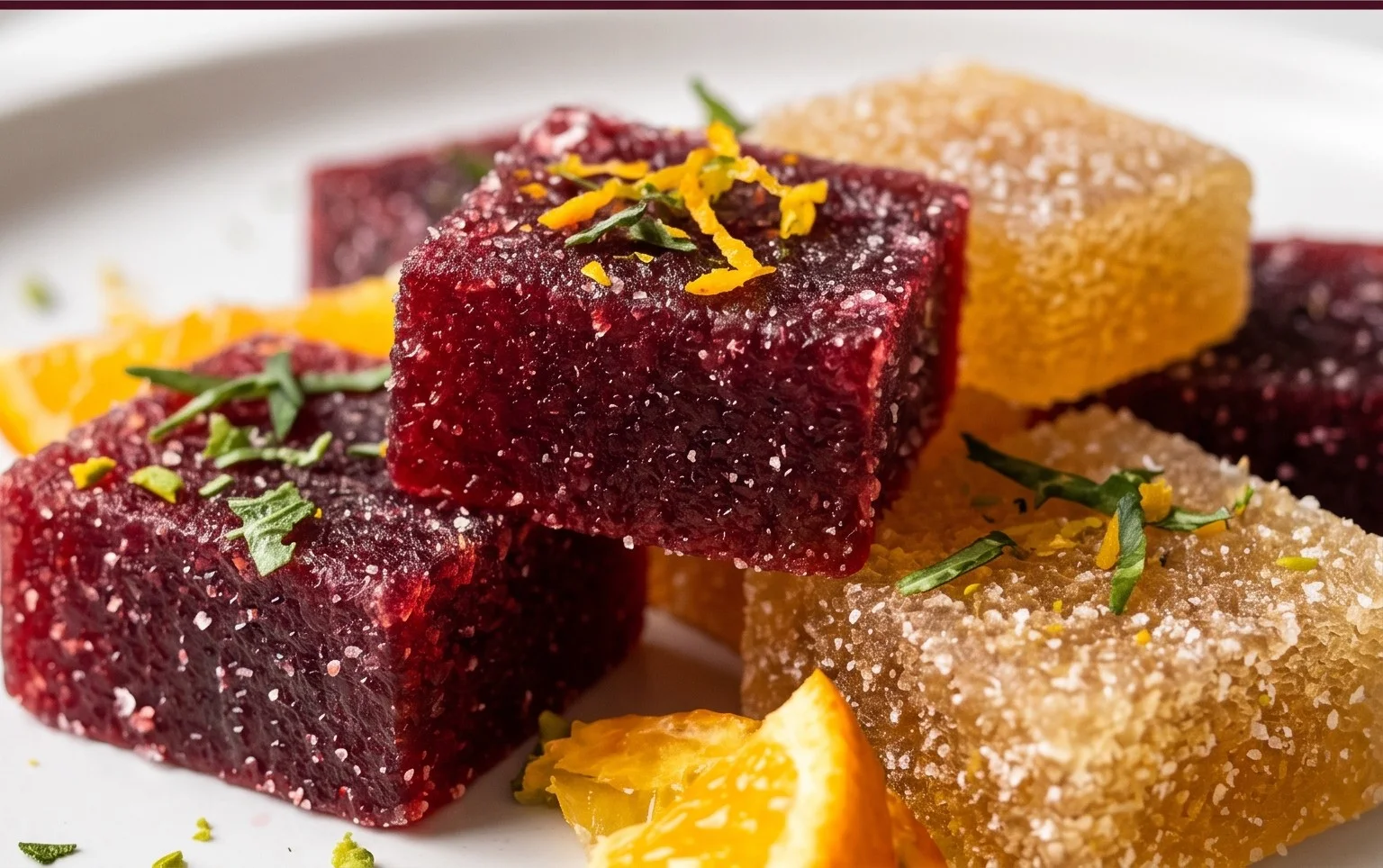
6. Cut and Coat Your Pâtes de Fruits: This is the fun part! Once your jelly is completely set and firm, use the parchment paper overhang (if you used it) to lift the entire slab out of the pan and onto a clean cutting board. If you greased your pan directly, you might need to gently loosen the edges with a knife. Now, use a sharp knife or a pizza cutter to slice the jelly into your desired shapes. Squares, rectangles, or even fun cookie-cutter shapes work well. Aim for pieces that are about 1 inch in size. Now, take your prepared sugar bath and gently toss each piece of cut jelly into the sugar, ensuring it’s lightly coated on all sides. Shake off any excess sugar. Arrange the coated pâtes de fruits on a wire rack or a parchment-lined baking sheet. Allow them to dry at room temperature for at least 24 hours, or until they have a slightly firmer, almost “skin” on the outside. This drying process is crucial for achieving the classic, slightly firm outer texture of pâtes de fruits and preventing them from becoming too sticky. Once dried, they are ready to be enjoyed or stored in an airtight container at room temperature for up to a week.
Conclusion:
You’ve done it! You’ve unlocked the secret to making incredibly delicious homemade pâtes de fruits without relying on corn syrup. This recipe is fantastic because it delivers that perfect chewy texture and vibrant fruit flavor you crave, all with simple, wholesome ingredients. The natural sweetness and bright taste of the fruit shine through beautifully, creating a truly artisanal treat that’s surprisingly achievable in your own kitchen. Whether you’re looking for a sophisticated dessert, a homemade gift, or just a delightful afternoon snack, these fruit jellies are sure to impress.
Serving these pâtes de fruits is a joy. They make an elegant addition to a cheese board, a delightful end to a special meal, or a vibrant treat alongside a cup of tea or coffee. For variations, don’t be afraid to experiment with your favorite fruits! Consider adding a touch of finely grated zest from a lemon or lime for an extra zing, or perhaps a pinch of fragrant spices like cardamom or gin extractger to complement the fruit. I truly encourage you to give this recipe a try. The satisfaction of creating these beautiful, flavorful confections from scratch is immense, and I know you’ll love the results!
Frequently Asked Questions:
Why is this recipe great without corn syrup?
This recipe is wonderful without corn syrup because it allows the natural flavors of the fruit to be the star. Corn syrup can sometimes mute subtle fruit notes, but by using a combination of fruit puree and sugar, we achieve a cleaner, more authentic fruit taste and a wonderfully satisfying chewy texture that’s truly superior.
How long do homemade pâtes de fruits last?
When stored properly in an airtight container at room temperature, these homemade pâtes de fruits can last for about 1 to 2 weeks. It’s best to keep them away from humidity to maintain their ideal texture.
Can I use frozen fruit for this recipe?
Yes, absolutely! Frozen fruit is a perfectly acceptable alternative to fresh fruit for making pâtes de fruits. Ensure you thaw it completely and drain off any excess liquid before pureeing and using it in the recipe. The vibrant flavor is preserved wonderfully in frozen fruit.
Homemade Pâtes de Fruits (no corn syrup)
Delicious fruit jellies made without corn syrup, using fruit juice and pectin.
Ingredients
-
2 cups fruit juice (orange and pomegranate)
-
1 cup granulated sugar, plus more for coating
-
3 tablespoons classic pectin
-
1 tablespoon freshly squeezed lemon juice
Instructions
-
Step 1
In a medium saucepan, whisk together the fruit juice, 1 cup of granulated sugar, and pectin until well combined. Let sit for 5 minutes. -
Step 2
Add the lemon juice to the saucepan. -
Step 3
Cook over medium heat, stirring constantly, until the mixture comes to a boil and thickens. This usually takes about 10-15 minutes. Look for a thick, jam-like consistency. -
Step 4
Pour the hot mixture into a parchment-lined 8×8 inch baking pan. Smooth the top with a spatula. -
Step 5
Let the mixture cool completely at room temperature for at least 2-3 hours, or until firm. -
Step 6
Once firm, cut the pâtes de fruits into desired shapes (squares or rectangles). Toss each piece in granulated sugar to coat.
Important Information
Nutrition Facts (Per Serving)
It is important to consider this information as approximate and not to use it as definitive health advice.
Allergy Information
Please check ingredients for potential allergens and consult a health professional if in doubt.