Easy Mongolian Beef Recipe- Flavorful & Quick Dinner
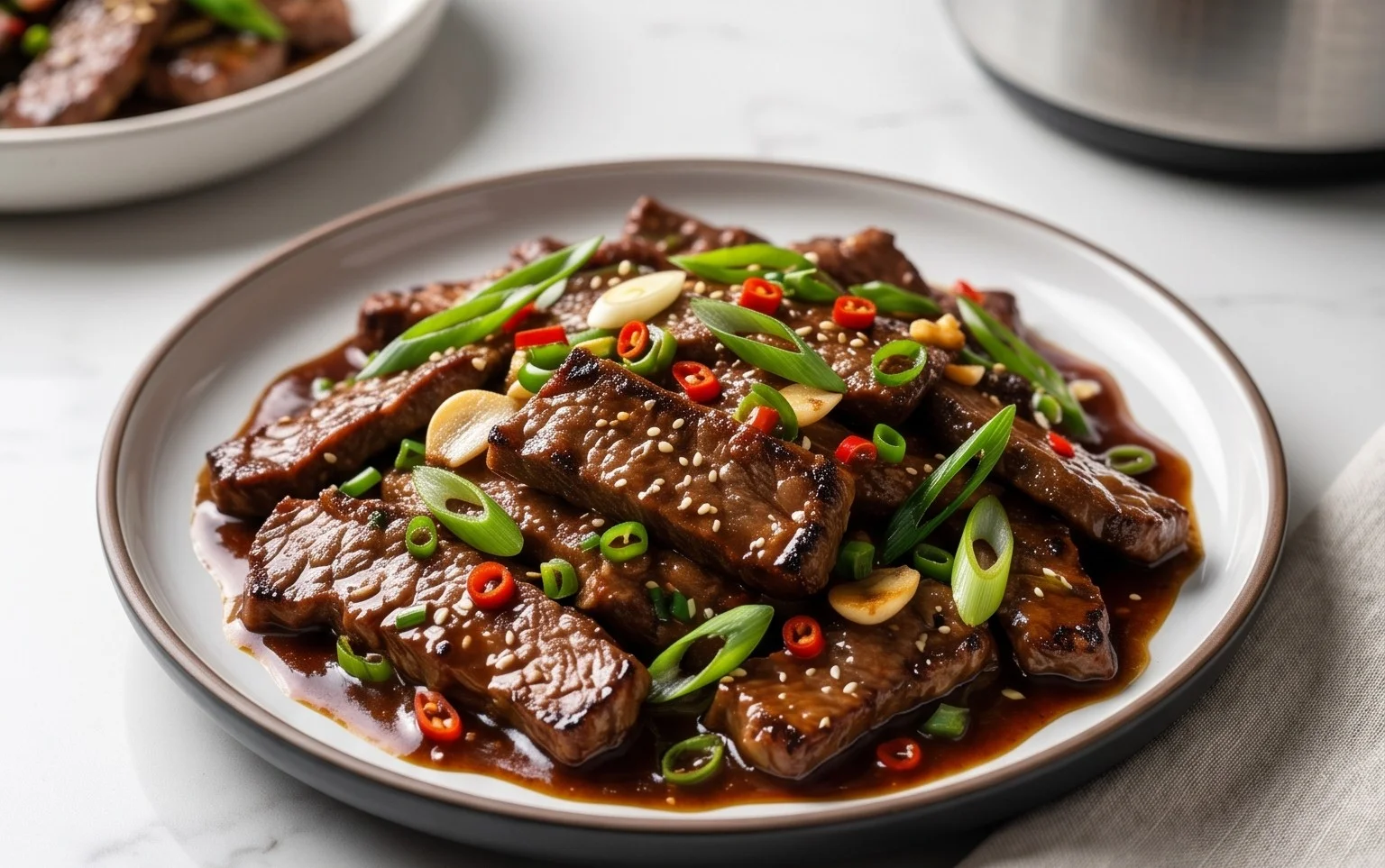
Mongolian Beef: it’s a dish that conjures up images of tender, thinly sliced beef coated in a glossy, savory-sweet sauce, often served with fluffy white rice. But what exactly is it about this seemingly simple stir-fry that has captured the hearts (and taste buds) of so many? For me, it’s that perfect balance of flavors – the subtle umami from soy sauce, the gentle sweetness of sugar, and a hint of heat that awakens the palate. What truly makes Mongolian Beef special is its incredibly satisfying texture; the beef is often marinated to ensure maximum tenderness, then quickly cooked to achieve that delightful crisp-tender bite. It’s the kind of meal that feels both comforting and exciting, a go-to for a weeknight treat or a crowd-pleasing dinner. Let’s dive into creating this beloved Mongolian Beef at home!
Mongolian Beef
Mongolian Beef is a classic takeout dish that’s surprisingly simple to recreate at home, offering that irresistible sweet and savory flavor with tender, crispy beef. Many associate it with a fiery kick, but the true magic lies in the balance of soy, sugar, and savory notes. This recipe focuses on achieving that authentic taste and texture without being overly complicated. Let’s dive in and make this crowd-pleaser!
Ingredients:
Preparing the Beef for Tenderness
The key to perfectly tender beef in this dish is a simple marinating technique that breaks down the muscle fibers. Start by slicing your flank steak as thinly as possible. If you find it difficult to slice raw beef thinly, pop it in the freezer for about 20-30 minutes until it’s firm but not frozen solid; this makes slicing much easier. In a medium bowl, combine the thinly sliced beef with 2 tablespoons of water, 2 teaspoons of Shaoxing rice vinegar, ½ teaspoon of Kosher salt, and ¼ teaspoon of baking soda. The baking soda is a crucial ingredient here; it helps to tenderize the beef by increasing its pH level, making it exceptionally tender and juicy. Mix everything thoroughly to ensure the beef is well coated. Let this marinate for at least 15 minutes at room temperature, or up to 30 minutes if you have the time. After marinating, drain off any excess liquid and pat the beef dry with paper towels. This step is important to remove moisture that could prevent the cornstarch from coating the beef properly, which is essential for achieving a crispy exterior.
Coating the Beef for a Crispy Texture
Next, we’ll coat the beef in cornstarch. This coating will help create a delicious, slightly crispy exterior when fried and will also help thicken the sauce later on. Add 2 tablespoons of cornstarch to the marinated beef. Gently toss the beef until each slice is evenly coated. You want a thin, even layer; avoid clumping. This step, combined with the marination, is what gives Mongolian Beef its signature texture.
Crafting the Savory Sauce
While the beef is coated, let’s prepare the flavorful sauce that makes this dish shine. In a small bowl, whisk together 1 tablespoon of Shaoxing rice vinegar, 3 tablespoons of granulated sugar, and 2 tablespoons of regular soy sauce. Stir until the sugar is mostly dissolved. This simple combination provides the perfect balance of sweet, savory, and a hint of tang. Set this sauce aside.
Cooking the Beef
Now for the exciting part: cooking! Heat 1 tablespoon of neutral oil in a wok or a large skillet over medium-high heat. Once the oil is shimmering hot, add the coated beef in a single layer. It’s important not to overcrowd the pan; cook the beef in batches if necessary. Overcrowding will steam the beef instead of frying it, resulting in a less desirable texture. Cook the beef for about 1-2 minutes per side, or until it’s browned and starting to crisp up. Don’t overcook it at this stage; it will cook further with the sauce. Remove the cooked beef from the skillet and set it aside on a plate.
Sautéing the Aromatics and Vegetables
In the same skillet (no need to clean it), add a tiny bit more oil if needed. Add the sliced yellow onion and the white parts of the green onions. Stir-fry for about 1-2 minutes until they start to soften and become fragrant. Then, add the minced garlic and 1 teaspoon of cracked black pepper. Stir-fry for another 30 seconds until the garlic is fragrant, being careful not to burn it.
Bringin extractg it all Together
Now, it’s time to combine everything and finish the dish. Pour the prepared sauce mixture into the skillet with the onions and garlic. Bring the sauce to a simmer, stirring constantly. As the sauce begin extracts to thicken slightly, return the cooked beef to the skillet. Add the green parts of the green onions. Toss everything together gently to coat the beef and vegetables in the glossy sauce. Cook for another minute or two, allowing the flavors to meld and the beef to finish cooking through in the sauce.
Optional Rice Vermicelli
If you’re using the rice vermicelli, now is the time to add it. I love a little bit of vermicelli underneath the beef for texture and to soak up that delicious sauce. Prepare the rice vermicelli according to package directions (usually by soaking in hot water). Drain it well and gently toss it with the Mongolian beef mixture just before serving, or serve the beef mixture over a bed of prepared vermicelli.
This Mongolian Beef is best served immediately, piping hot, with a side of steamed white rice. Enjoy the tender beef, the savory-sweet sauce, and the satisfying aromas that will fill your kitchen. It’s a simple yet impressive dish that’s perfect for a weeknight dinner or when you’re craving something truly delicious.
Conclusion:
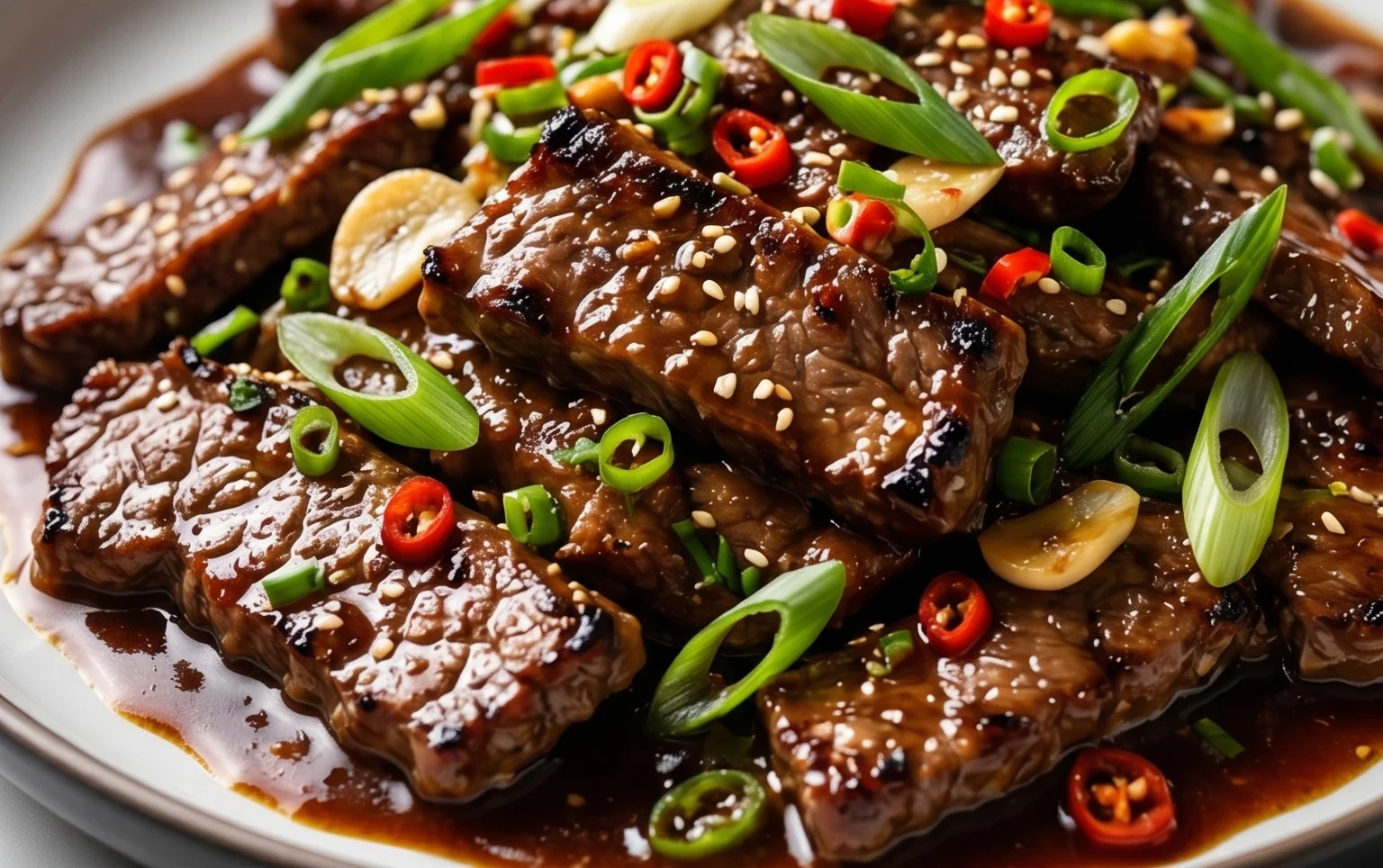
There you have it! Crafting your own delicious Mongolian Beef at home is surprisingly achievable and incredibly rewarding. This recipe delivers that irresistible combination of tender, savory beef coated in a rich, slightly sweet, and tangy sauce that has made Mongolian Beef a beloved staple. Its quick cooking time makes it perfect for a weeknight meal, and the vibrant flavors are sure to impress even the pickiest eaters. Don’t be intimidated; the steps are straightforward, and the result is a restaurant-quality dish you’ll be proud to serve.
For the perfect accompaniment, I highly recommend serving your homemade Mongolian Beef over fluffy steamed white or brown rice. It’s also fantastic with some stir-fried vegetables like broccoli, bell peppers, or snap peas. Feel free to get creative with variations! If you’re looking for a bit of heat, add a pinch of red pepper flakes or a thinly sliced chili pepper to the sauce. For a deeper flavor, consider marinating the beef for a longer period. No matter how you prepare it, I encourage you to give this Mongolian Beef recipe a try. You might just discover your new favorite go-to dish!
Frequently Asked Questions:
Why is my Mongolian Beef sauce not thick enough?
The thickness of the sauce often comes down to the cornstarch slurry. Ensure you whisk the cornstarch with cold water before adding it to the simmering sauce. Add it in stages, stirring constantly, and allow the sauce to bubble for a minute or two after each addition to thicken properly. Overcrowding the pan with beef can also release too much moisture, diluting the sauce.
Can I make Mongolian Beef ahead of time?
While it’s best enjoyed fresh for optimal texture, you can prepare some components ahead of time. You can marinate the beef and chop all your vegetables in advance. The sauce can also be made separately. However, to prevent the beef from becoming tough and the sauce from becoming too thick or separating, it’s best to stir-fry the beef and combine everything just before serving.
What kind of beef is best for Mongolian Beef?
Flank steak or skirt steak are excellent choices for Mongolian Beef due to their tenderness and flavor. Ribeye also works well. The key is to slice the beef thinly against the grain for maximum tenderness.
Mongolian Beef
A classic, savory and slightly sweet stir-fry featuring tender beef with a rich sauce.
Ingredients
-
1 pound beef flank steak (thinly sliced (between ⅛ to ¼ inch thick))
-
2 tablespoons water
-
2 teaspoons Shaoxing rice vinegar
-
½ teaspoon Kosher salt
-
¼ teaspoon baking soda
-
2 tablespoons cornstarch
-
1 tablespoon oil (any neutral oil)
-
1 teaspoon cracked black pepper
-
1 tablespoon Shaoxing rice vinegar
-
3 tablespoons granulated sugar
-
2 tablespoons regular soy sauce
-
1 tablespoon garlic (minced)
-
½ large yellow onion (sliced)
-
1 bunch green onion (cut into 2 inch pieces (separate the white and green parts))
-
1 ounce rice vermicelli (medium thickness (optional))
Instructions
-
Step 1
In a bowl, combine the thinly sliced beef flank steak with 2 tablespoons water, 2 teaspoons Shaoxing rice vinegar, ½ teaspoon Kosher salt, and ¼ teaspoon baking soda. Let it marinate for 15-20 minutes. -
Step 2
Add 2 tablespoons cornstarch to the marinated beef and toss to coat evenly. Set aside. -
Step 3
In a separate small bowl, whisk together 1 tablespoon Shaoxing rice vinegar, 3 tablespoons granulated sugar, and 2 tablespoons regular soy sauce to create the sauce. Set aside. -
Step 4
Heat 1 tablespoon of neutral oil in a wok or large skillet over medium-high heat. Add the marinated and cornstarch-coated beef in a single layer (cook in batches if necessary to avoid crowding) and stir-fry until browned and cooked through, about 2-3 minutes. Remove beef from the wok and set aside. -
Step 5
Add the sliced yellow onion and minced garlic to the wok and stir-fry for about 1 minute until fragrant. Add the white parts of the green onions and stir-fry for another 30 seconds. -
Step 6
Pour the prepared sauce into the wok and bring to a simmer, stirring until slightly thickened. Add the cooked beef back to the wok and toss to coat with the sauce. -
Step 7
Stir in the green parts of the green onions and the optional rice vermicelli. Stir-fry for another minute until everything is heated through and the green onions are slightly wilted. Serve immediately.
Important Information
Nutrition Facts (Per Serving)
It is important to consider this information as approximate and not to use it as definitive health advice.
Allergy Information
Please check ingredients for potential allergens and consult a health professional if in doubt.