
Easy Miso Soup Recipe – Authentic Flavor Fast
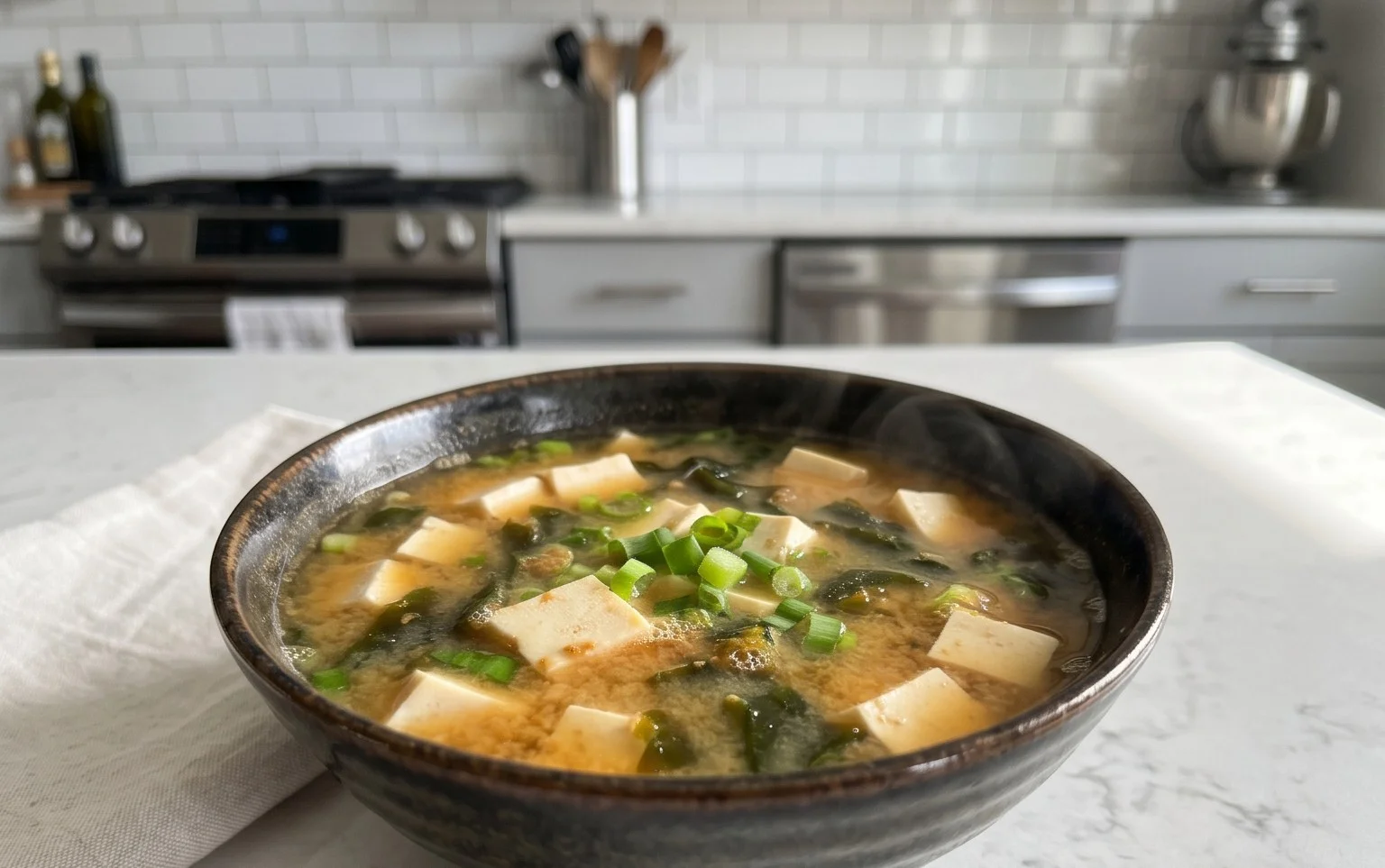
Miso soup recipe: a comforting bowl of pure umami that instantly transports me to my happy place. There’s something incredibly soul-soothing about this humble yet profound Japanese staple, isn’t there? It’s more than just a starter; for many of us, it’s a daily ritual, a warm hug in a bowl. The magic of a truly exceptional miso soup lies in its simplicity, yet it’s a dish that can be surprisingly complex to get just right. People adore it for its depth of flavor, its subtle salinity, and the way it awakens the palate without overwhelming it. What makes a great miso soup truly special is the delicate balance of dashi (the flavorful broth), the fermented miso paste, and the fresh additions that bring it to life. This miso soup recipe aims to capture that perfect harmony, offering you a taste of authentic Japanese comfort.
Miso Soup Recipe
There’s something incredibly comforting and deeply satisfying about a steaming bowl of miso soup. It’s a staple in Japanese cuisine, known for its savory umami flavor and its ability to warm you from the inside out. What many people don’t realize is just how simple it is to make this delightful soup at home. Forget the packets and instant versions; with just a few key ingredients, you can whip up authentic miso soup that will rival any restaurant. This recipe is perfect for a quick and healthy breakfast, a light lunch, or a flavorful starter to any meal. The beauty of miso soup lies in its versatility; while this recipe provides a classic foundation, you can easily add other vegetables or proteins to customize it to your liking.
Ingredients:
Cooking Instructions:
The process of making miso soup is wonderfully straightforward, focusing on gently coaxing out the flavors of each ingredient without overcooking them. The key is to avoid boiling the miso paste, as this can diminish its delicate flavor and beneficial probiotics.
Step 1: Rehydrate the Seaweed
Begin extract by rehydrating your dried seaweed. In a small bowl, place the heaping tablespoon of dried seaweed. Add enough lukewarm water to cover the seaweed completely. You’ll notice it expand significantly as it absorbs the water. Let it soak for about 5 to 10 minutes, or until it becomes tender and pliable. Once rehydrated, drain off any excess water. Some people prefer to give it a quick rinse after soaking, especially if they find it too salty. You can also give it a gentle squeeze to remove as much water as possible. This step ensures the seaweed adds a pleasant texture and oceanic flavor to your soup.
Step 2: Prepare the Dashi Base
In a medium saucepan, pour in your 2½ cups of dashi. Dashi is the fundamental broth for miso soup and provides a rich umami base. If you’re using instant dashi granules, follow the package instructions for the correct water ratio. If you’re making your own dashi from scratch using kombu and katsuobushi, ensure it’s strained and ready. Place the saucepan over medium heat. You want to bring the dashi to a gentle simmer. Avoid a rolling boil at this stage, as we’re just warming the broth and preparing it for the other ingredients.
Step 3: Add the Tofu and Seaweed
Once the dashi is warm and starting to steam (just before a simmer), carefully add the silken tofu that you’ve cut into small, bite-sized pieces. The silken tofu is incredibly delicate, so handle it gently to prevent it from breaking apart too much. Next, add the rehydrated and drained seaweed to the pot. Stir gently to distribute the tofu and seaweed throughout the dashi. Allow these ingredients to heat through in the warm dashi for about 2 to 3 minutes. This brief simmering time is enough to warm the tofu and allow the flavors of the seaweed to meld with the dashi.
Step 4: Incorporate the Miso Paste
This is the most crucial step for preserving the flavor and beneficial qualities of the miso. Remove the saucepan from the heat entirely. This is very important; you do not want to boil the miso. Take your 2 to 2½ tablespoons of miso paste. It’s often helpful to place the miso paste in a small bowl or a ladle. Ladle some of the warm dashi from the saucepan into the bowl with the miso paste. Using a whisk or a fork, stir the miso paste into the warm dashi until it is completely dissolved and smooth. This process is called “tempering” the miso and prevents clumps. Once the miso paste is fully dissolved, gently pour the miso mixture back into the saucepan with the rest of the soup. Stir everything together gently to ensure the miso is evenly distributed. Taste the soup at this point and adjust the amount of miso paste if you desire a stronger or milder flavor. Remember that different types of miso paste (e.g., white, red, awase) have varying saltiness and flavor profiles, so adjust accordingly.
Step 5: Serve and Garnish
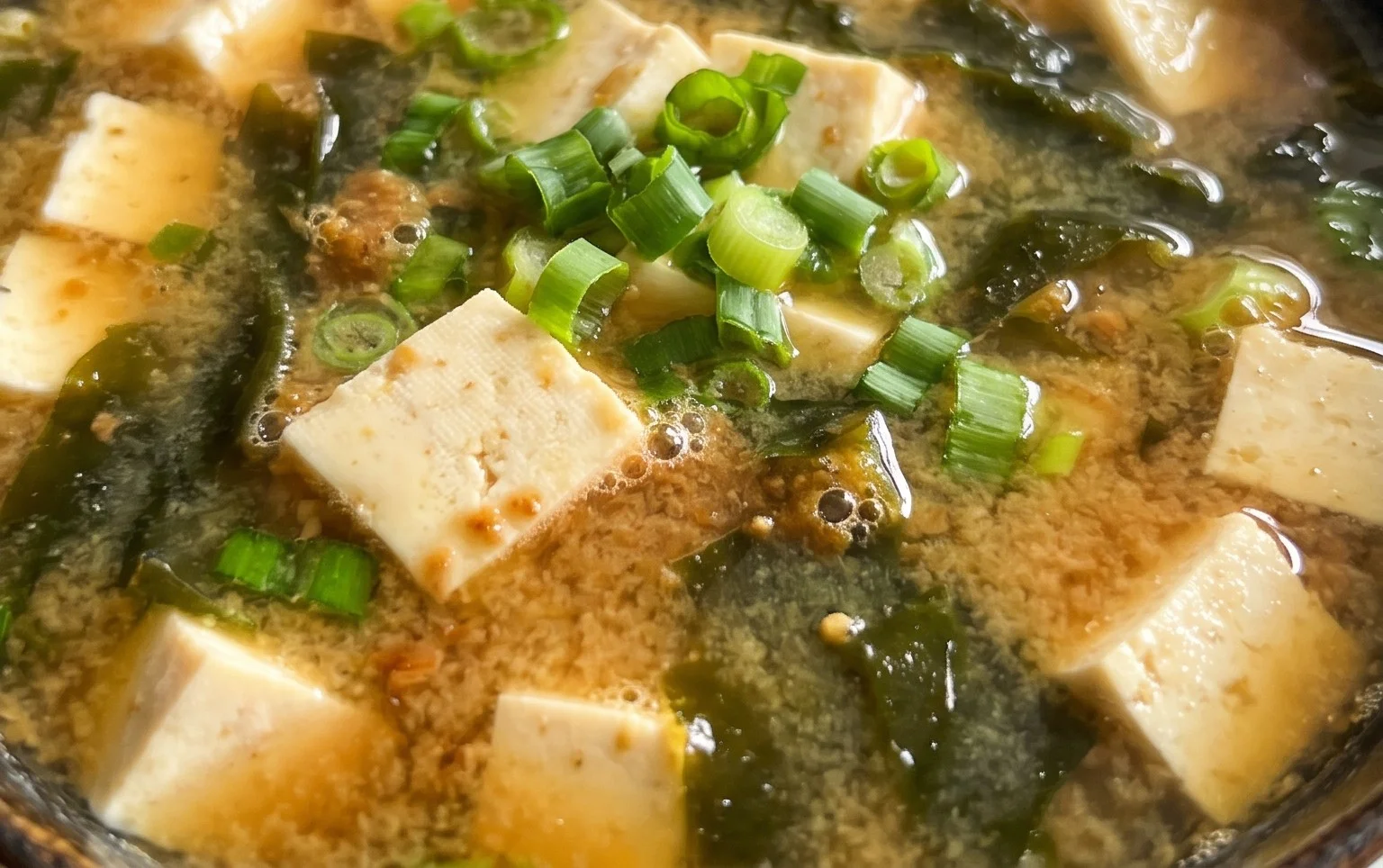
Once the miso has been incorporated and the soup is heated through (but not boiling), it’s ready to serve. Ladle the hot miso soup into individual bowls. Make sure each bowl gets a good distribution of tofu and seaweed. Finally, garnish each bowl generously with the chopped scallions. The fresh, sharp bite of the scallions adds a wonderful contrast to the rich, savory broth. Serve immediately and enjoy the simple elegance of your homemade miso soup. This soup is best enjoyed fresh, as the delicate flavors can change if left to sit for too long. You can experiment with adding a pinch of white pepper or a tiny drizzle of sesame oil for an extra layer of flavor, though the classic preparation is perfectly delicious on its own.
Conclusion:
And there you have it! You’ve unlocked the secret to crafting a delicious and authentic miso soup recipe right in your own kitchen. This recipe isn’t just about a comforting bowl of broth; it’s about bringin extractg a taste of Japan’s culinary heart to your table. The beauty of this miso soup lies in its simplicity, allowing the umami-richness of the miso to truly shine. It’s incredibly versatile, making it a perfect light starter for any meal, a soothing afternoon snack, or even a satisfying base for a more substantial dish.
Feel free to experiment with different types of miso – white miso for a milder, sweeter flavor, red miso for a deeper, more robust taste, or even a blend. Don’t hesitate to add your favorite ingredients like silken tofu, enoki mushrooms, spinach, or even some leftover cooked chicken or shrimp. The possibilities are endless, and each variation will offer a delightful new experience. So, gather your ingredients and give this wonderful miso soup recipe a try. I’m confident you’ll be delighted by how easy it is to create something so profoundly flavorful and nourishing.
Frequently Asked Questions:
What kind of miso paste should I use for this recipe?
You can use almost any kind of miso paste! White (shiro) miso is the mildest and slightly sweet, making it a great all-rounder for begin extractners. Red (aka) miso offers a deeper, saltier, and more intense flavor. Yellow (awase) miso is a balanced blend. Feel free to experiment to find your favorite!
Can I add vegetables to my miso soup?
Absolutely! This recipe is fantastic with added vegetables. Silken tofu cubes, chopped scallions, shiitake mushrooms, spinach, bok choy, or even daikon radish are excellent additions. Just ensure they are cooked through before serving.
How should I store leftover miso soup?
While best enjoyed fresh, you can store leftover miso soup in an airtight container in the refrigerator for up to 2-3 days. It’s important to note that the flavor can mellow over time. When reheating, gently warm it on the stovetop and avoid boiling vigorously, as this can alter the miso’s delicate flavor and beneficial probiotics.
Miso Soup
A simple and comforting Japanese miso soup, perfect for a quick and healthy meal.
Ingredients
-
2½ cups Dashi
-
1 heaping tablespoon dried seaweed
-
4 oz silken tofu (cut into small pieces)
-
2-2½ tablespoons miso paste (or to taste)
-
1 tablespoon scallion (chopped)
-
1 teaspoon soy sauce
-
½ teaspoon sesame oil
Instructions
-
Step 1
In a medium pot, bring the dashi to a gentle simmer over medium heat. -
Step 2
Add the dried seaweed to the simmering dashi and cook for 1-2 minutes until rehydrated. -
Step 3
Gently add the silken tofu pieces to the pot. -
Step 4
In a small bowl, whisk the miso paste with a ladleful of the hot dashi until smooth. This prevents clumps. -
Step 5
Stir the dissolved miso mixture back into the pot. Do not boil after adding miso, as this can diminish its flavor and beneficial properties. -
Step 6
Add soy sauce and sesame oil to taste. -
Step 7
Ladle the soup into bowls and garnish with chopped scallions before serving.
Important Information
Nutrition Facts (Per Serving)
It is important to consider this information as approximate and not to use it as definitive health advice.
Allergy Information
Please check ingredients for potential allergens and consult a health professional if in doubt.