Easy Chimichurri Sauce Recipe- Flavorful & Fresh
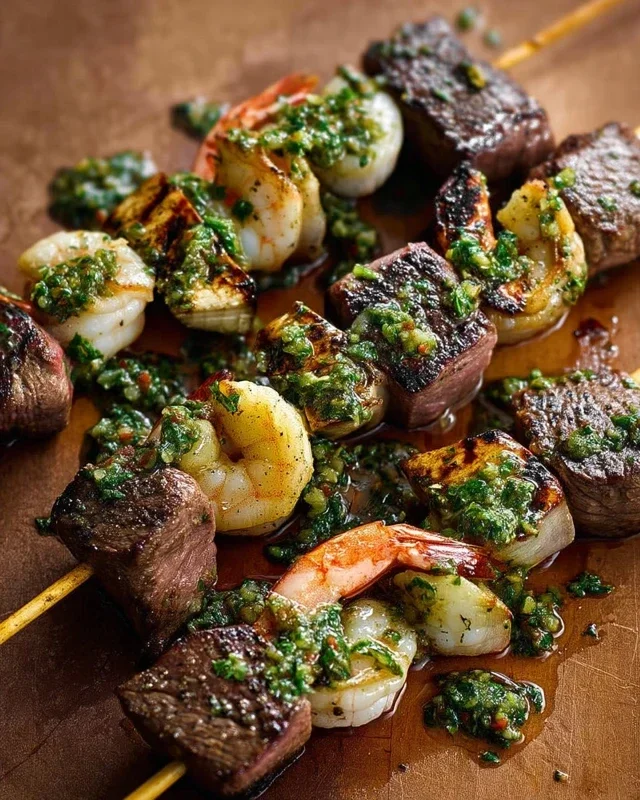
Chimichurri sauce recipe perfection awaits! If you’ve ever grilled steak to a sizzling, smoky char, or roasted vegetables until they’re tender and caramelized, chances are you’ve encountered the vibrant, herbaceous magic of this Argentinian condiment. What is it about this seemingly simple green sauce that captivates palates worldwide? It’s the incredible balance of fresh herbs – parsley and oregano – brightened with garlic, vinegar, and a touch of chili for a gentle warmth. This chimichurri sauce recipe is more than just a topping; it’s an experience. It transforms the ordinary into the extraordinary, cutting through richness with its zesty, aromatic profile. Get ready to discover how easy it is to create your own authentic chimichurri sauce recipe that will have everyone asking for seconds.
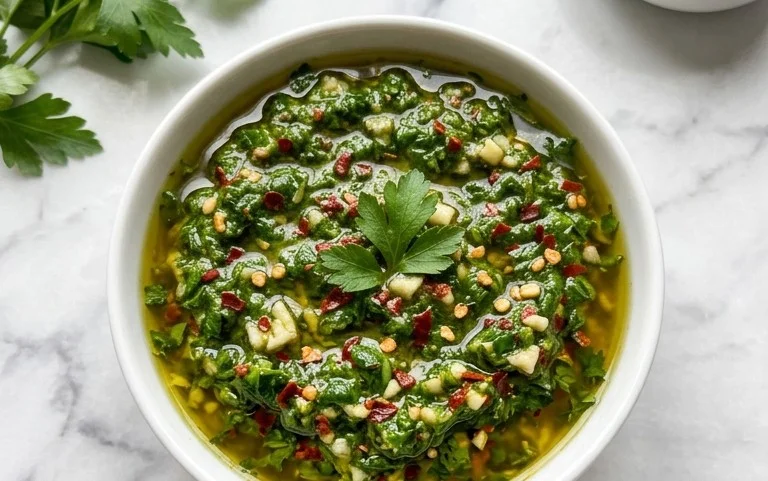
Chimichurri Sauce Recipe
Get ready to elevate your grilling game, your roasted vegetables, and pretty much anything else you can think of, because we’re diving into the vibrant world of chimichurri sauce! This Argentinian staple is a fresh, herbaceous, and slightly tangy condiment that’s surprisingly easy to make at home. Forget store-bought; the difference in flavor is night and day. This recipe is my go-to, balancing classic ingredients with just the right amount of zing. It’s perfect for slathering on steak, chicken, or fish, but don’t stop there – I love it drizzled over roasted potatoes, mixed into a grain bowl, or even as a dip for crusty bread. Let’s get started!
Ingredients:
Instructions:
The beauty of chimichurri lies in its simplicity and the power of fresh ingredients. We’re aiming for a sauce that’s packed with flavor but still retains some textural interest, so we won’t be blending it into a completely smooth paste.
Step 1: Prepare Your Herbs and Aromatics
The first crucial step is to meticulously prepare your fresh herbs. This means carefully picking the leaves from the stems of your Italian flat-leaf parsley, cilantro, and oregano. Stems, especially those of parsley and cilantro, can be quite tough and fibrous, and they can impart a less desirable, sometimes bitter flavor to your sauce. Take your time with this; a good handful of stems removed will make a noticeable difference in the final texture and taste. Once the leaves are picked, give them a good rinse under cool water and pat them thoroughly dry with paper towels or use a salad spinner. Excess moisture can dilute the flavors of your chimichurri and also affect its shelf life. For the red onion (or shallots, if you prefer a milder flavor), give them a good rough chop. The same goes for the peeled garlic cloves; no need for fine mincing here, as the food processor will take care of breaking them down.
Step 2: Pulse the Solids in a Food Processor
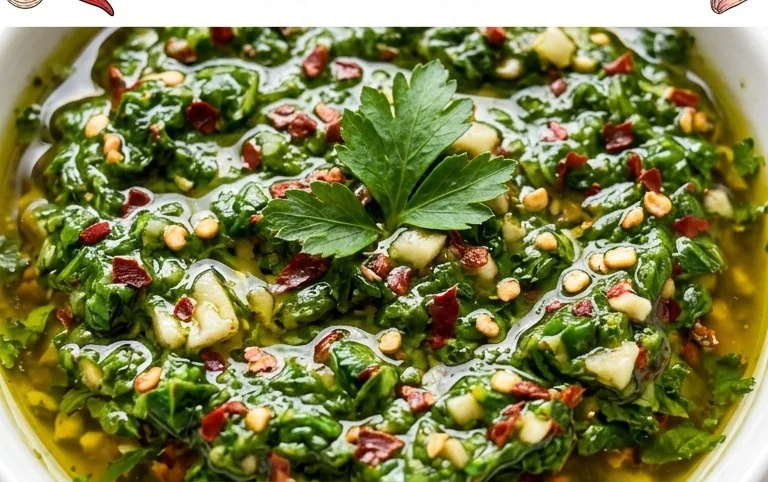
Now it’s time to bring our chopped solids together. Place the prepared parsley leaves, cilantro leaves, oregano leaves, roughly chopped red onion (or shallots), and peeled garlic cloves into the bowl of your food processor. Add the red pepper flakes to this mixture as well. These little fiery flakes are essential for that characteristic hint of heat that makes chimichurri so addictive. Pulse the ingredients a few times, just to start breaking them down. You want to avoid over-processing at this stage; we’re not making a puree. We’re aiming for a coarsely chopped texture, like a vibrant green confetti. You should be able to see distinct pieces of herbs and onion. This controlled chopping ensures that your chimichurri has a pleasing, slightly chunky consistency, which is much more appealing than a smooth, homogenous sauce.
Step 3: Emulsify with Liquids
With your herbs and aromatics roughly chopped, it’s time to introduce the liquids that will bring everything together and create that signature chimichurri flavor profile. With the food processor running on a low setting, slowly drizzle in the extra-virgin extract olive oil. It’s important to add the oil gradually. This process, known as emulsification, allows the oil to bind with the other ingredients, creating a cohesive and beautifully flavored sauce. Continue processing until the oil is mostly incorporated and the mixture is well combined. Next, add the red grape juice vinegar and fresh lemon juice. The vinegar provides that essential tang and acidity, while the lemon juice adds a bright, citrusy note that cuts through the richness of the oil and complements the fresh herbs.
Step 4: Season and Blend to Perfection
Once the liquids are incorporated, it’s time for the final seasoning. Add the kosher salt to the mixture. Taste the chimichurri at this point. This is your opportunity to adjust the seasoning to your preference. If you like it a bit tangier, add a splash more lemon juice or vinegar. If you want a bit more heat, you can always add another pinch of red pepper flakes. Pulse a few more times to ensure the salt is evenly distributed and to further incorporate all the flavors. You’re looking for a sauce that’s vibrant green, fragrant, and perfectly balanced between herbaceous, acidic, and savory notes. It should still have some visible texture from the chopped ingredients, not be completely smooth.
Step 5: Rest and Serve
This step is arguably as important as the preparation itself. Once your chimichurri is mixed and seasoned, transfer it to a clean bowl or an airtight container. The magic of letting chimichurri rest is that it allows all those wonderful flavors to meld and deepen. The initial sharpness of the garlic and onion will mellow slightly, and the herbs will infuse more fully into the oil and vinegar. I highly recommend letting it sit at room temperature for at least 30 minutes, but it’s even better if you can let it rest for an hour or two. You can also make it ahead of time and store it in the refrigerator for up to a week. If you refrigerate it, the olive oil may solidify slightly; simply let it sit at room temperature for about 15-20 minutes before serving, and give it a good stir. Serve generously over your favorite grilled meats, roasted vegetables, or anything that needs a burst of fresh, zesty flavor. Enjoy!
Conclusion:
There you have it – a simple yet incredibly flavorful Chimichurri Sauce Recipe that’s about to become your new kitchen staple! This vibrant, herbaceous sauce is a game-changer for so many dishes. Its bright, zesty profile, driven by fresh parsley, garlic, oregano, and a touch of acidity, cuts through richness and elevates even the most humble ingredients. Whether you’re grilling steak, chicken, or fish, or looking to add a punch of flavor to roasted vegetables or even sandwiches, chimichurri delivers every time. I truly encourage you to give this recipe a try; it’s incredibly rewarding and surprisingly easy to master. Don’t be afraid to experiment with the proportions to find your perfect balance!
Beyond its classic pairing with grilled meats, think of the possibilities: drizzled over grilled halloumi, stirred into cooked grains, or even as a base for a salad dressing. For a touch of sweetness, a pinch of sugar can be added, and for those who love a bit more heat, a finely minced jalapeño or a pinch of red pepper flakes can be incorporated. The beauty of this Chimichurri Sauce Recipe lies in its adaptability!
Frequently Asked Questions about Chimichurri Sauce:
Can I make chimichurri sauce ahead of time?
Absolutely! Chimichurri actually tastes even better after the flavors have had a chance to meld together. It will keep well in an airtight container in the refrigerator for up to a week. You might want to give it a good stir before serving, as some separation can occur.
What’s the best way to store leftover chimichurri sauce?
For optimal freshness, store your leftover chimichurri in an airtight container in the refrigerator. Ensuring it’s well-senon-alcoholic aled will help prevent it from absorbing other odors from your fridge. It’s best consumed within a week for the brightest flavor, although it can remain safe to eat for a bit longer.
Can I freeze chimichurri sauce?
Yes, you can freeze chimichurri sauce! While freezing might slightly alter the texture of the fresh herbs, the flavor will remain wonderfully intact. You can freeze it in ice cube trays for convenient, single-serving portions, or in a freezer-safe container. Thaw it in the refrigerator overnight before using.
Chimichurri Sauce
A vibrant and zesty Argentinian sauce, perfect for marinating or drizzling over grilled meats.
Ingredients
-
1 cup fresh Italian flat-leaf parsley, leaves only, stems removed
-
1/4 cup fresh cilantro, leaves only, stems removed
-
1/4 cup fresh oregano, leaves only, stems removed
-
1/3 cup roughly chopped red onion
-
3 cloves garlic, peeled
-
1/2 teaspoon red pepper flakes
-
1/2 cup extra-virgin olive oil
-
1/4 cup red grape juice vinegar
-
3 tablespoons fresh lemon juice
-
1 teaspoon kosher salt
Instructions
-
Step 1
Finely chop the fresh parsley, cilantro, and oregano. -
Step 2
In a food processor, combine the chopped herbs, red onion, and garlic. -
Step 3
Pulse until the mixture is finely minced. -
Step 4
Add the red pepper flakes, extra-virgin olive oil, red grape juice vinegar, fresh lemon juice, and kosher salt. -
Step 5
Process until well combined and a sauce consistency is reached. Adjust seasoning to taste. -
Step 6
Transfer to a jar or bowl, cover, and let sit for at least 15 minutes to allow flavors to meld.
Important Information
Nutrition Facts (Per Serving)
It is important to consider this information as approximate and not to use it as definitive health advice.
Allergy Information
Please check ingredients for potential allergens and consult a health professional if in doubt.