Cuban Mojo Beef- Authentic Flavorful Recipe
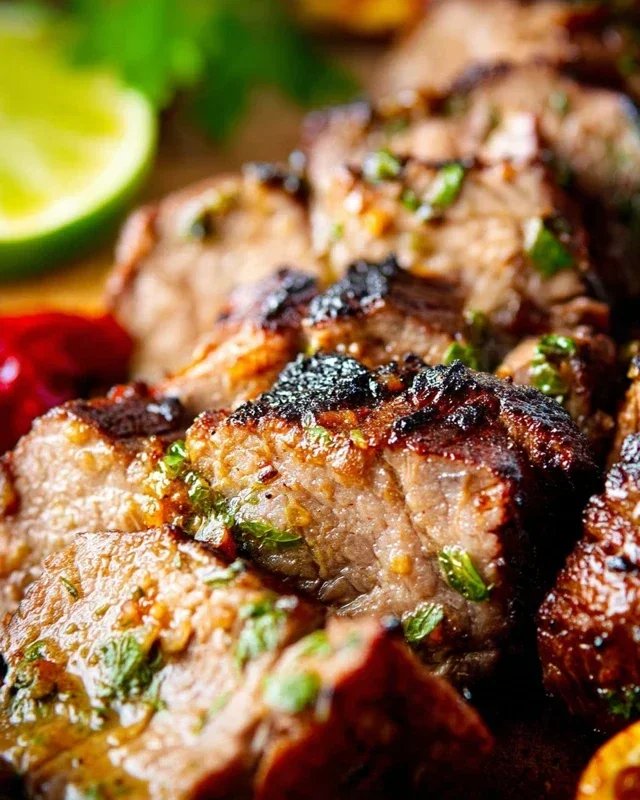
Cuban Mojo Beef Recipe is more than just a meal; it’s a vibrant explosion of flavor that transports you straight to the heart of Havana. Imagin extracte tender, slow-cooked beef infused with a zesty, garlicky citrus marinade – that’s the magic of authentic Cuban Mojo Beef. This dish is a beloved classic for so many reasons: it’s incredibly satisfying, deceptively simple to prepare, and the aroma that fills your kitchen as it cooks is simply irresistible. What truly sets this Cuban Mojo Beef Recipe apart is the signature mojo sauce. A perfect harmony of sour orange juice, garlic, oregano, and cumin creates a tangy, savory, and slightly smoky profile that clings beautifully to the meat, making every bite an adventure. Get ready to discover your new go-to comfort food that’s perfect for family dinners or impressing guests.
Cuban Mojo Beef Recipe
There’s something incredibly satisfying about a dish that’s bursting with vibrant, zesty flavors, and this Cuban Mojo Beef recipe delivers just that. Mojo, in Cuban cuisine, is more than just a sauce; it’s a way of life, a bright and tangy marinade that transforms simple ingredients into something truly spectacular. This recipe focuses on tender, slow-cooked beef infused with the unmistakable punch of citrus, garlic, and fresh herbs. It’s the perfect centerpiece for a family dinner or a festive gathering, and the aromas that will fill your kitchen as it cooks are simply divine.
The beauty of this dish lies in its simplicity and the power of its marinade. We’re not talking about complicated techniques here, just good, honest ingredients coming together to create something magical. The beef shoulder, also known as chuck roast or clod roast, is an excellent choice for slow cooking. Its natural marbling breaks down beautifully, resulting in incredibly tender and flavorful meat that practically melts in your mouth.
Let’s gather our ingredients and get ready to create some Cuban culinary magic!
Ingredients:
Preparing the Mojo Marinade
The heart and soul of this recipe is the mojo marinade. This is where all those bright, herbaceous, and citrusy notes come from. It’s remarkably easy to put together, and the more time the beef spends marinating, the deeper the flavors will penetrate.
1. In a large bowl or a zip-top bag that’s large enough to hold the beef, combine the extra-virgin extract olive oil, fresh orange zest, fresh orange juice, and fresh lime juice. The citrus juices provide the essential tang that defines mojo, while the zest adds a concentrated burst of citrus aroma. Olive oil acts as the perfect carrier for these flavors, helping to tenderize the meat and distribute the marinade evenly.
2. Next, add the finely chopped cilantro and mint leaves. Fresh herbs are crucial here, lending a fresh, aromatic quality that dried herbs can’t quite replicate. Cilantro brings its characteristic earthy, citrusy notes, while mint offers a refreshing coolness that balances the richness of the beef.
3. Now, add the minced garlic. Don’t be shy with the garlic; it’s a fundamental component of mojo, providing a pungent depth of flavor. Mincing it finely ensures it disperses evenly throughout the marinade.
4. Stir in the minced oregano. If you’re using dried oregano, be sure to use slightly less as it’s more concentrated. Oregano adds a lovely herbaceous complexity that complements the citrus and garlic beautifully.
5. Finally, add the ground cumin. Cumin brings a warm, earthy spice that adds another layer of flavor complexity to the marinade. Season generously with kosher salt and freshly ground black pepper. Remember, this marinade will flavor the beef, so it should be well-seasoned. Whisk everything together until thoroughly combined.
Marinating the Beef
This step is all about patience and allowing the magic to happen.
1. Place your boneless beef shoulder into the prepared mojo marinade. Ensure the beef is completely submerged in the marinade. You can use a large bowl and turn the beef occasionally, or a sturdy zip-top bag, squeezing out as much air as possible.
2. Seal the bag or cover the bowl tightly. Refrigerate for at least 4 hours, but for the absolute best flavor, I recommend marinating it overnight, or even for up to 24 hours. The longer it marinates, the more tender and flavorful your beef will become. The acidity in the citrus juices will begin extract to break down the tough connective tissues in the beef, making it incredibly tender.
Cooking the Mojo Beef
We’re going to cook this beef low and slow to achieve that melt-in-your-mouth tenderness.
1. Preheat your oven to 300°F (150°C). This low and slow temperature is key to tenderizing the beef.
2. Remove the beef from the marinade, letting any excess drip off. Reserve the marinade; we’ll use some of it for braising. Pat the beef dry with paper towels. This step helps with browning, which adds another layer of flavor through the Maillard reaction.
3. Heat a large, oven-safe Dutch oven or heavy-bottomed pot over medium-high heat. Add a tablespoon or two of oil if your pot isn’t well-seasoned. Sear the beef on all sides until deeply browned. This takes about 3-4 minutes per side. Don’t rush this step; a good sear is essential for flavor.
4. Once the beef is beautifully browned, carefully pour the reserved marinade into the pot with the beef. If you’d like a richer sauce, you can strain the marinade first to remove the herb and garlic solids. You can also add about 1 cup of beef broth or water to the pot if you want to ensure there’s enough liquid for braising. Bring the liquid to a gentle simmer.
5. Cover the Dutch oven tightly with its lid and transfer it to the preheated oven. Braise for 3 to 4 hours, or until the beef is fork-tender. The cooking time will vary depending on the thickness of your beef. You’ll know it’s ready when you can easily shred it with two forks.
6. Once the beef is tender, carefully remove it from the pot and place it on a cutting board. Tent it loosely with foil and let it rest for at least 15-20 minutes before slicing or shredding. Resting allows the juices to redistribute throughout the meat, resulting in a more succulent finished product.
7. While the beef is resting, you can make a quick pan sauce. Skim off any excess fat from the braising liquid in the Dutch oven. You can simmer the liquid for a few minutes to reduce and thicken it slightly, or if you prefer a smoother sauce, you can strain it and whisk in a tablespoon of cornstarch mixed with a little cold water (a slurry) and simmer until thickened. Season the sauce to your taste.
Serve this glorious Cuban Mojo Beef sliced or shredded over rice, with black beans, or alongside a fresh salad. The tangy, garlicky, herbaceous flavors are absolutely unforgettable! Enjoy!
Conclusion:
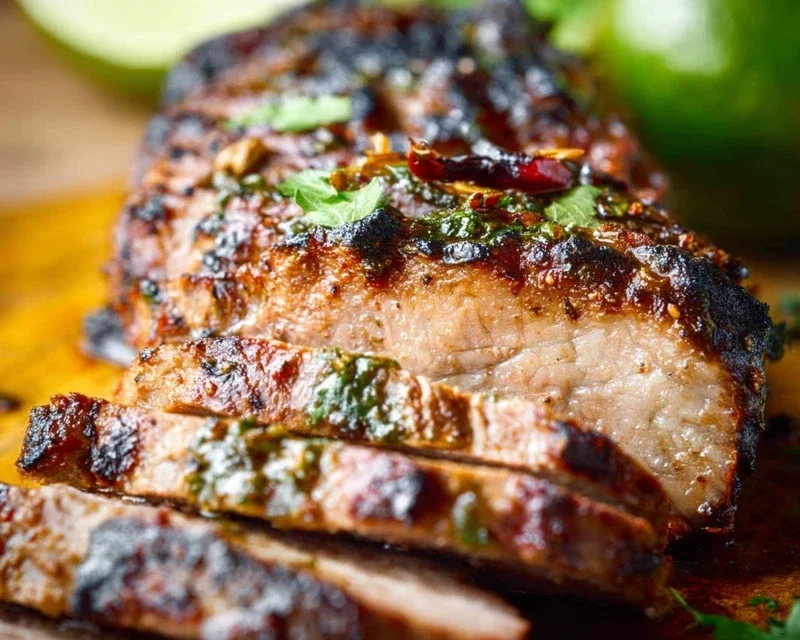
And there you have it – a truly sensational Cuban Mojo Beef recipe that’s bursting with vibrant citrus, garlic, and herb flavors. This dish is a winner because it’s incredibly versatile, wonderfully forgiving, and delivers a punch of authentic Cuban taste with every tender bite. The marinade is the star, transforming simple beef into something extraordinary, making it perfect for both weeknight dinners and impressing guests. I truly encourage you to give this Cuban Mojo Beef a try; it’s a flavor journey you won’t regret!
For serving, I love pairing this succulent beef with fluffy white rice, black beans, and some sweet plantains. A side of fresh cilantro and a squeeze of lime takes it to another level. If you’re looking for variations, feel free to experiment with different cuts of beef like flank steak or skirt steak. You can also add a pinch of cumin to the marinade for an extra layer of warmth. Don’t be afraid to make it your own!
Frequently Asked Questions:
What is Mojo sauce traditionally made with?
Traditionally, Mojo sauce is a vibrant marinade and condiment made from citrus juices (often sour orange), garlic, herbs (like oregano and cilantro), olive oil, and sometimes spices. Our Cuban Mojo Beef recipe captures these essential elements to create an authentic and delicious flavor profile.
Can I make the marinade ahead of time?
Absolutely! The Mojo marinade can be made a day or two in advance and stored in an airtight container in the refrigerator. This allows the flavors to meld beautifully, and it’s a great way to get a head start on your cooking.
What other meats work well with this Mojo marinade?
While this recipe is fantastic with beef, the bright and zesty Mojo marinade is also incredible with beef (especially beef shoulder or tenderloin) and chicken. You could even try it with firm fish like swordfish or halibut for a unique seafood dish.
Cuban Mojo Beef Recipe
A flavorful and tender Cuban-inspired beef roast marinated in a vibrant mojo sauce.
Ingredients
-
3/4 cup extra-virgin olive oil
-
1 tablespoon orange zest
-
3/4 cup fresh orange juice
-
1/2 cup fresh lime juice
-
1 cup cilantro (finely chopped)
-
1/4 cup lightly packed mint leaves (finely chopped)
-
8 garlic cloves (minced)
-
1 tablespoon minced oregano
-
2 teaspoons ground cumin
-
Kosher salt and pepper
-
3 & 1/2 pounds boneless beef shoulder (in one piece)
Instructions
-
Step 1
In a large bowl or resealable plastic bag, combine the olive oil, orange zest, orange juice, lime juice, cilantro, mint, minced garlic, minced oregano, ground cumin, kosher salt, and pepper. Whisk or shake to combine. -
Step 2
Add the boneless beef shoulder to the marinade, ensuring it is fully coated. Marinate in the refrigerator for at least 4 hours, or preferably overnight. -
Step 3
Preheat your oven to 325°F (160°C). -
Step 4
Remove the beef from the marinade, reserving the marinade. Place the beef in a roasting pan. -
Step 5
Roast the beef for approximately 3 hours, or until it reaches an internal temperature of 135°F (57°C) for medium-rare. Baste with the reserved marinade every 30 minutes during cooking. -
Step 6
Let the beef rest for 10-15 minutes before slicing against the grain.
Important Information
Nutrition Facts (Per Serving)
It is important to consider this information as approximate and not to use it as definitive health advice.
Allergy Information
Please check ingredients for potential allergens and consult a health professional if in doubt.