
Sigeumchi Namul Korean Spinach Side Dish Easy Recipe
Korean Spinach Side Dish, also known as Sigeumchi Namul, is a quintessential staple in Korean cuisine, and for good reason! This vibrant, verdant creation is more than just a simple vegetable preparation; it’s a celebration of fresh flavors and a testament to the beauty of minimalist cooking. What’s not to love about tender, blanched spinach, kissed with the delicate aroma of garlic, a hint of sesame oil, and a whisper of savory soy sauce? It’s the perfect antidote to richer, heavier dishes, offering a refreshing and healthy counterpoint that cleanses the palate. The magic of Sigeumchi Namul lies in its simplicity; it allows the natural sweetness and earthy notes of the spinach to shine through, enhanced by just a few well-chosen ingredients. It’s the side dish that elevates any meal, turning the ordinary into something truly special with its bright color and delightful texture. I find myself reaching for this Korean spinach side dish time and time again!
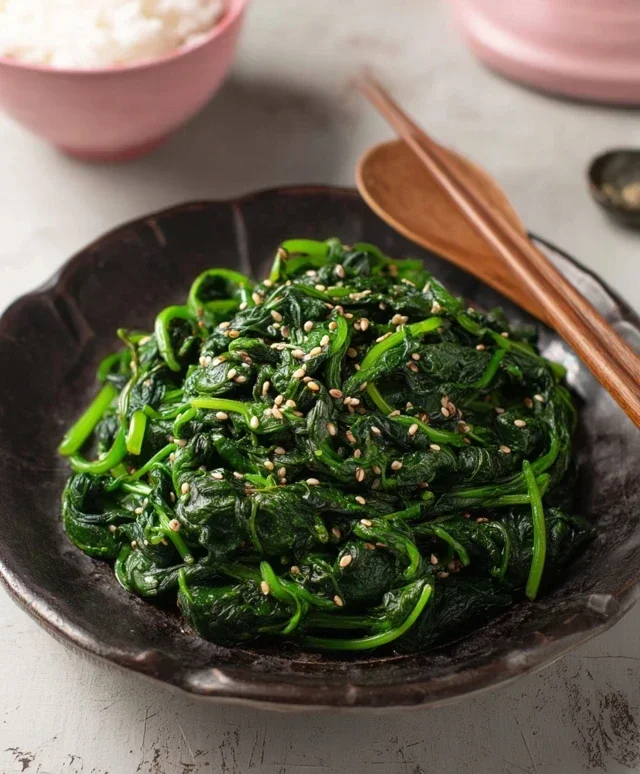
Korean Spinach Side Dish (Sigeumchi Namul)
Sigeumchi namul is a quintessential Korean banchan, or side dish, that graces almost every Korean table. Its simplicity belies its incredible flavor and nutritional value. Fresh spinach, blanched to tender perfection and seasoned with a fragrant blend of garlic, soy sauce, and sesame oil, creates a dish that is both refreshing and deeply satisfying. It’s the perfect accompaniment to a hearty Korean meal, offering a light and healthy counterpoint to richer dishes. This side dish is incredibly versatile; you can enjoy it on its own, mixed into rice for a quick bibimbap base, or even incorporated into other Korean recipes. The beauty of sigeumchi namul lies in its minimal ingredients and quick preparation time, making it an ideal option for busy weeknights or when you need a last-minute addition to your spread. Let’s get started on creating this beloved Korean staple in your own kitchen.
Ingredients:
Cooking Instructions:
The process of making sigeumchi namul is wonderfully straightforward and can be broken down into a few key stages. We’ll focus on achieving the perfect texture for the spinach and then infusing it with those classic Korean flavors.
Preparing the Spinach
The first and most crucial step is preparing the spinach. Begin extract by thoroughly washing your bunch of spinach under cold running water. It’s essential to get rid of any lingering dirt or grit, so don’t be shy with the rinsing. Once it’s clean, inspect the stems. Trim off any tough or woody ends that might detract from the tender texture we’re aiming for. You can either cut off the very bottom or gently snap them off. For larger spinach leaves, you might want to cut them into more manageable, bite-sized pieces, especially if you plan to mix it into rice or serve it to children. However, for a more traditional presentation, leaving the leaves whole is perfectly fine.
Blanching the Spinach
Now comes the blanching process, which is key to both tenderizing the spinach and preserving its vibrant green color. Fill a large pot with plenty of water and bring it to a rolling boil over high heat. Once the water is vigorously boiling, carefully add the prepared spinach. The spinach will seem like a lot at first, but it will wilt down significantly in just a matter of seconds. You only need to blanch the spinach for about 30 to 60 seconds. Overcooking will result in mushy, lifeless spinach, so keep a close eye on it. The goal is to cook it just enough so that it wilts and becomes tender but still retains a slight bite.
Immediately after blanching, you need to shock the spinach to stop the cooking process. Prepare a large bowl filled with ice water. Using a slotted spoon or a spider strainer, quickly transfer the blanched spinach from the boiling water directly into the ice bath. This rapid cooling halts the enzymatic activity that continues to cook the vegetables, thus preserving its bright green hue and firm texture. Let the spinach sit in the ice water for about 1 to 2 minutes.
Draining and Squeezing
Once the spinach has cooled down sufficiently in the ice bath, it’s time to drain it thoroughly. Remove the spinach from the ice water and gently squeeze out as much excess water as possible. This step is very important for the final texture and flavor of the namul. If there’s too much water, the seasonings will be diluted, and the dish will turn out watery. You can do this by hand, gathering the spinach into a ball and pressing down firmly. Alternatively, you can place the spinach in a clean kitchen towel or cheesecloth and twist it to wring out the moisture. You’ll be surprised how much water comes out! This thorough squeezing ensures that the spinach is ready to absorb all the delicious flavors we’re about to add.
Seasoning the Namul
With the spinach properly drained and squeezed, it’s time to bring it all together with the seasonings. Transfer the squeezed spinach to a clean mixing bowl. Now, add your finely minced garlic clove. The raw garlic will add a wonderful pungent aroma and flavor. Next, sprinkle in your chopped green onion. The green onion provides a fresh, mild oniony note. Then, add the soy sauce. Use a good quality soy sauce for the best flavor. Follow this with the salt. Remember, soy sauce is already salty, so start with the 1/8 teaspoon and you can always adjust to your preference later. Finally, drizzle in the toasted sesame oil. The toasted sesame oil is what gives sigeumchi namul its signature nutty and aromatic finish. It’s an essential ingredient that ties all the flavors together beautifully.
Mixing and Finishing Touches
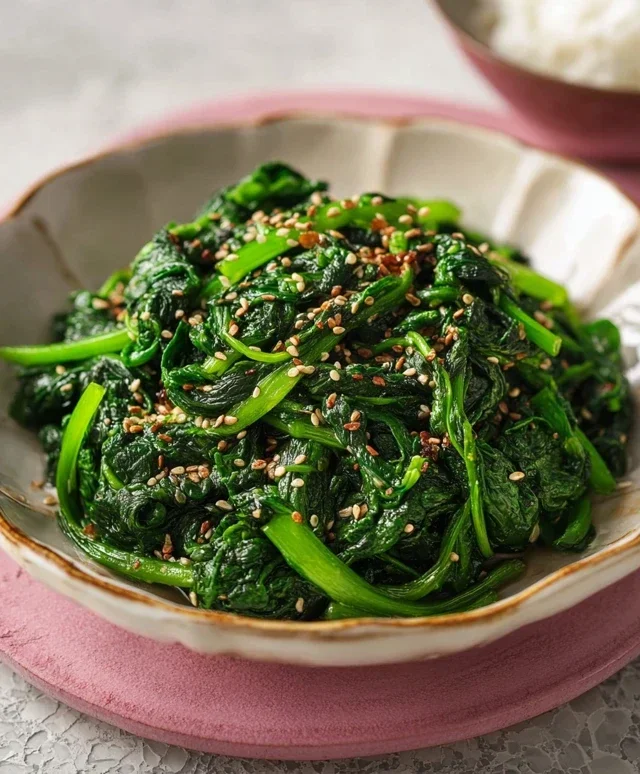
This is where all the magic happens! Using your hands, gently toss and mix all the ingredients together. The best way to ensure everything is evenly distributed is to use your fingers to thoroughly mix the spinach with the seasonings. Imagin extracte you’re massagin extractg the flavors into the spinach leaves. Be gentle to avoid bruising the spinach too much. Continue mixing until the spinach is evenly coated with the soy sauce, garlic, green onion, and sesame oil. Once everything is well combined, it’s time for the final flourish: toasted sesame seeds. Sprinkle the toasted sesame seeds generously over the seasoned spinach. The sesame seeds not only add a delightful textural crunch but also contribute another layer of nutty flavor that is characteristic of Korean cuisine. Give it one last gentle toss to distribute the sesame seeds. Taste a small piece and adjust the salt or soy sauce if needed. Your delicious and healthy Sigeumchi Namul is now ready to be served! It’s best enjoyed fresh, but it will keep in the refrigerator for a couple of days.
Conclusion:
I hope you’ve enjoyed learning how to make Sigeumchi Namul, a vibrant and incredibly healthy Korean spinach side dish! This recipe is truly wonderful because it’s so simple to prepare, packed with nutrients, and bursting with fresh, delicious flavors. The combination of tender blanched spinach with a savory and slightly nutty dressing is incredibly satisfying and addictive. It’s a staple in Korean cuisine for a reason – it elevates any meal and is a fantastic way to incorporate more greens into your diet. I find myself making this Korean spinach side dish at least once a week!
Sigeumchi Namul is incredibly versatile. It’s a perfect accompaniment to practically any Korean main dish, like bulgogi, bibimbap, or grilled meats. You can also enjoy it as a light snack or even add it to a Kimbap roll for an extra layer of flavor and color. Don’t be afraid to experiment with variations! You could add a pinch of gochugaru (Korean chili flakes) for a touch of heat, or some toasted sesame seeds for an extra crunch. Feel free to adjust the soy sauce and garlic to your personal preference.
I truly encourage you to give this recipe a try. It’s a fantastic introduction to the world of Korean banchan (side dishes) and offers a rewarding culinary experience with minimal effort. You’ll be surprised at how easy it is to create such a delightful dish!
Frequently Asked Questions:
Can I use frozen spinach for Sigeumchi Namul?
Yes, you can! If using frozen spinach, make sure to thaw it completely and squeeze out as much excess water as possible before blanching. The texture might be slightly softer than fresh spinach, but the flavor will still be delicious.
How long does Sigeumchi Namul last in the refrigerator?
Sigeumchi Namul is best enjoyed fresh, but it can be stored in an airtight container in the refrigerator for up to 2-3 days. The flavors meld nicely over time, but the spinach might become a little softer.
What is the best way to blanch the spinach?
The key to perfectly blanched spinach is to cook it very briefly – just until it turns bright green and is tender-crisp. Overcooking will make it mushy. Immediately plungin extractg it into an ice bath stops the cooking process and helps retain its vibrant color.
Korean Spinach Side Dish (Sigeumchi Namul)
A simple and refreshing Korean side dish made with blanched spinach, seasoned with garlic, soy sauce, sesame oil, and sesame seeds.
Ingredients
-
1 bunch (10 oz) spinach (ends trimmed)
-
1 clove garlic (finely minced)
-
1 stalk green onion (chopped)
-
2 teaspoon soy sauce
-
1/8 teaspoon salt
-
2 teaspoon toasted sesame oil
-
2 teaspoon toasted sesame seeds
Instructions
-
Step 1
Wash the spinach thoroughly and trim the ends. -
Step 2
Blanch the spinach in boiling water for about 30-60 seconds, until wilted but still bright green. -
Step 3
Immediately drain the spinach and rinse under cold water to stop the cooking process. Squeeze out as much excess water as possible. -
Step 4
In a bowl, combine the squeezed spinach, minced garlic, chopped green onion, soy sauce, and salt. -
Step 5
Gently mix all the ingredients together to ensure the spinach is evenly coated with the seasonings. -
Step 6
Drizzle with toasted sesame oil and sprinkle with toasted sesame seeds before serving.
Important Information
Nutrition Facts (Per Serving)
It is important to consider this information as approximate and not to use it as definitive health advice.
Allergy Information
Please check ingredients for potential allergens and consult a health professional if in doubt.