Fresh Zucchini Pasta Sauce- Quick Easy & Delicious
Simple Fresh Zucchini Pasta Sauce is the culinary equivnon-alcoholic alent of a breath of fresh air on a warm summer evening. There’s something undeniably delightful about transforming humble garden zucchini into a vibrant, flavorful sauce that clings perfectly to your favorite pasta. Forget heavy, overpowering concoctions; this simple fresh zucchini pasta sauce celebrates the delicate sweetness of the squash, enhanced by just a few thoughtful ingredients. It’s the kind of dish that makes you feel good about what you’re eating – healthy, light, and bursting with natural goodness. We love it because it’s incredibly quick to whip up, making it a weeknight hero, yet sophisticated enough to impress guests. What truly makes this simple fresh zucchini pasta sauce special is its versatility and the pure, unadulterated taste of summer it brings to your plate.
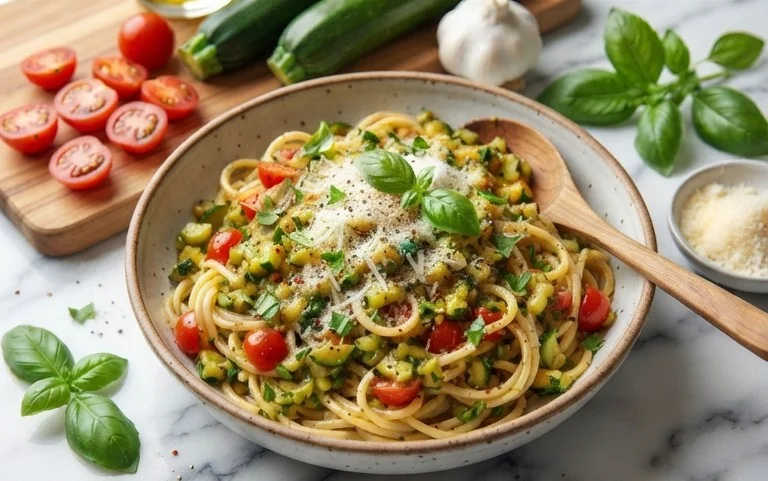
Simple Fresh Zucchini Pasta Sauce
There’s something truly magical about a fresh, vibrant pasta sauce that requires minimal effort and delivers maximum flavor. This Simple Fresh Zucchini Pasta Sauce is exactly that. It’s my go-to when I want a delicious, healthy, and quick meal that feels a little bit special. Zucchini, when cooked properly, transforms into a creamy, sweet base that perfectly coats your favorite pasta. It’s a fantastic way to use up that garden bounty or simply enjoy a lighter, more wholesome alternative to heavier tomato-based sauces.
The beauty of this recipe lies in its simplicity. We’re not dealing with hours of simmering or complicated techniques. It’s about harnessing the natural goodness of fresh ingredients and letting them shine. The zucchini melts into the sauce, creating a wonderfully smooth texture, while the garlic and onion provide a savory foundation. A touch of lemon juice brightens everything up, and the Parmesan cheese adds that irresistible salty, nutty finish. This sauce is so versatile – it’s delicious tossed with fettuccine as I prefer, but it also works beautifully with spaghetti, linguine, or even penne.
Ingredients:
Cooking Instructions
Let’s get started on creating this delightful pasta sauce. It’s a straightforward process, and I’ll walk you through each step to ensure perfect results every time.
1. Prepare Your Pasta: First things first, get your pasta cooking. Bring a large pot of generously salted water to a rolling boil. Add your 8 ounces of uncooked pasta – I find fettuccine’s wide surface area is perfect for this sauce, but feel free to use your favorite. Cook the pasta according to the package directions until it is al dente, meaning it’s tender but still has a slight bite. Before draining, be sure to reserve about 1 cup of the starchy pasta water. This starchy water is liquid gold and will be instrum extractental in helping to emulsify our sauce, making it wonderfully creamy and ensuring it clings beautifully to the pasta. Once cooked, drain the pasta well.
2. Sauté the Aromatics and Zucchini: While your pasta is cooking, we’ll start on the sauce. In a large skillet or pot, heat the 1 tablespoon of olive oil and 1 tablespoon of butter over medium heat. Once the butter has melted and is shimmering, add your chopped 1/2 small onion. Sauté the onion for about 3-4 minutes, stirring occasionally, until it begin extracts to soften and become translucent. We’re not looking for browning here, just a gentle softening to release its sweet flavor. Next, add your 2 cloves of minced garlic. Cook for another minute, stirring constantly, until fragrant. Be careful not to burn the garlic, as this can impart a bitter taste. Now, it’s time for the star of the show: the 1.5 pounds of diced zucchini. Add the zucchini to the skillet. Stir everything together to coat the zucchini with the onion, garlic, and butter mixture.
3. Simmer and Soften the Zucchini: Now, we want the zucchini to begin extract to soften and release its moisture. Sprinkle in the 1/4 teaspoon of Italian seasoning and a pinch of salt and pepper. Stir well. Add the 1/2 cup of chicken or vegetable broth to the skillet. Bring the mixture to a gentle simmer, then reduce the heat to low, cover the skillet, and let it cook for about 10-15 minutes. You want the zucchini to become tender and start to break down. Stir occasionally to ensure even cooking. You’ll notice the zucchini will have released a good amount of liquid, and the sauce will start to thicken slightly.
4. Create the Creamy Sauce: Once the zucchini is tender, it’s time to create our smooth, luscious sauce. You have a couple of options here depending on your desired texture. For a truly silky sauce, you can use an immersion blender directly in the skillet to blend the zucchini mixture until mostly smooth, leaving a few small chunks for texture if you like. Alternatively, if you don’t have an immersion blender, carefully transfer about half of the zucchini mixture to a regular blender (be cautious as hot liquids expand) and blend until smooth. Return the blended portion to the skillet. If you prefer a chunkier sauce, you can simply use a potato masher to gently mash some of the zucchini pieces directly in the skillet. Add the remaining 1 tablespoon of butter to the skillet. Stir until it melts and incorporates into the sauce.
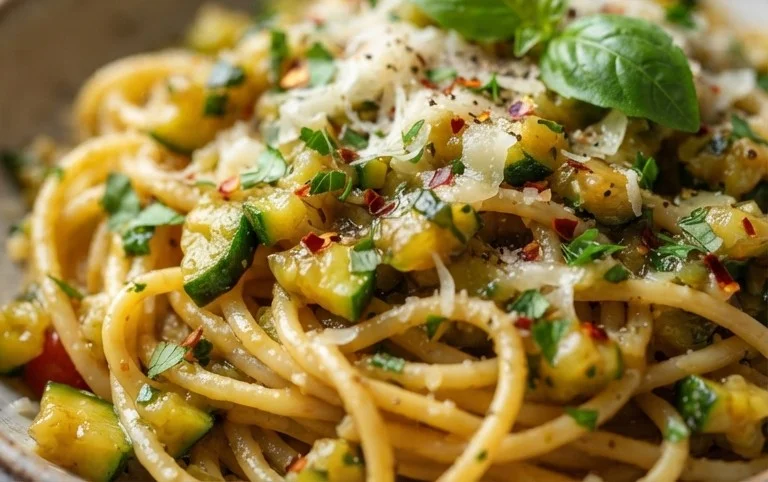
5. Finish and Toss with Pasta: Now for the final touches that bring this sauce to life. Stir in the 1 teaspoon of lemon juice. This is a crucial step that adds a wonderful brightness and cuts through the richness of the sauce, preventing it from tasting flat. Add the 1/2 cup of freshly grated Parmesan cheese. Stir continuously until the cheese is melted and the sauce is creamy and well combined. Taste the sauce and adjust the seasoning with salt and pepper as needed. At this point, the sauce should be beautifully emulsified and fragrant. Add your drained cooked pasta directly to the skillet with the sauce. Toss everything together gently, ensuring every strand of pasta is coated in the delicious zucchini sauce. If the sauce seems a little too thick, add a splash or two of the reserved pasta water, a tablespoon at a time, while tossing, until you reach your desired consistency. The starch in the pasta water will help to create a smooth, glossy finish. Serve immediately, garnished with a little extra Parmesan cheese and a crack of black pepper. Enjoy this simple, fresh, and incredibly satisfying meal!
Conclusion:
And there you have it – your guide to creating a truly delightful and incredibly simple fresh zucchini pasta sauce! This recipe is a fantastic testament to how humble ingredients can transform into something truly special. It’s the perfect way to celebrate the bounty of summer, offering a light, vibrant, and incredibly healthy alternative to heavier sauces. The natural sweetness of the zucchini, coupled with fresh herbs and a hint of garlic, creates a flavor profile that is both satisfying and refreshing. I truly hope you give this simple fresh zucchini pasta sauce a try; it’s bound to become a staple in your recipe repertoire.
Serve this versatile sauce tossed with your favorite pasta shape – spaghetti, linguine, or even penne all work beautifully. For an added layer of flavor and texture, consider topping with toasted pine nuts, a sprinkle of grated Parmesan cheese, or a generous handful of fresh basil leaves. Don’t be afraid to get creative with variations! You can easily add a pinch of red pepper flakes for a touch of heat, or stir in some sun-dried tomatoes for a deeper, more intense flavor. A squeeze of fresh lemon juice at the end can also brighten things up considerably.
Frequently Asked Questions:
Can I make this sauce ahead of time?
Absolutely! This simple fresh zucchini pasta sauce can be made a day or two in advance and stored in an airtight container in the refrigerator. Gently reheat it on the stovetop over low heat, adding a splash of water or vegetable broth if it seems too thick. It might even taste even better the next day as the flavors meld!
What if I don’t like zucchini?
While zucchini is the star here, you can experiment with other summer vegetables. Thinly sliced yellow squash or even finely chopped bell peppers could offer a similar texture and sweetness, though the flavor profile will naturally change.
Is this sauce vegan-friendly?
The base recipe is vegan. If you plan to top with cheese, simply omit it or use your favorite vegan Parmesan alternative to keep it entirely plant-based.
Simple Fresh Zucchini Pasta Sauce
A light and flavorful pasta sauce made with fresh zucchini, garlic, and parmesan cheese. Perfect for a quick weeknight meal.
Ingredients
-
8 ounces uncooked pasta
-
1.5 pounds zucchini, diced
-
1 tablespoon olive oil
-
2 tablespoons butter, divided
-
1/2 small onion, chopped
-
2 cloves garlic, minced
-
1/4 teaspoon Italian seasoning
-
1/2 cup vegetable broth
-
1 teaspoon lemon juice
-
1/2 cup freshly grated parmesan cheese
-
Salt to taste
-
Pepper to taste
Instructions
-
Step 1
Cook pasta according to package directions. Reserve about 1/2 cup of pasta water before draining. -
Step 2
While pasta cooks, heat olive oil and 1 tablespoon of butter in a large skillet over medium heat. -
Step 3
Add chopped onion and cook until softened, about 5 minutes. Add minced garlic and Italian seasoning, and cook for another minute until fragrant. -
Step 4
Add the diced zucchini to the skillet. Cook, stirring occasionally, until the zucchini is tender-crisp, about 8-10 minutes. -
Step 5
Pour in the vegetable broth and lemon juice. Bring to a simmer and let it reduce slightly for 2-3 minutes. -
Step 6
Stir in the remaining 1 tablespoon of butter and the grated parmesan cheese. Stir until the cheese is melted and the sauce is creamy. -
Step 7
Add the cooked pasta to the skillet with the sauce. Toss to coat. If the sauce is too thick, add a little of the reserved pasta water until it reaches your desired consistency. -
Step 8
Season with salt and pepper to taste. Serve immediately.
Important Information
Nutrition Facts (Per Serving)
It is important to consider this information as approximate and not to use it as definitive health advice.
Allergy Information
Please check ingredients for potential allergens and consult a health professional if in doubt.